
INSIGHT
Embracing friction
Why friction is resonating in a convenience-driven world
A recent article in The Times about living well in 2026 talked about the increasing resonance of friction in a world where effortlessness and convenience seems to have driven the agenda in recent years.
Commentators noted how the head on surge towards convenience and experiences that are devoid of friction have somehow created an increased sense of dissatisfaction. A theme we noted in our The convenience con thought piece.
Where frictionless, one click, on demand everything and anything, it seemed that eliminating effort from our lives was a holy grail.
If everything is effortless then nothing resonates, or sticks, or is memorable.
The value of good friction in interior design
Unlike bad friction, think confusing layouts, clutter, unnecessary delays that drives frustration and abandonment, good friction is intentional. It adds meaning to the experience rather than getting in the way of it.
By revealing products gradually, good friction invites customers to explore rather than consume instantly, turning shopping into a considered retail journey. Spatial sequencing and moments of pause asks something of the visitor and in return, offers lasting impressions.
Rains’ Amsterdam flagship demonstrates how the design of the customer journey itself can generate good friction. The store is divided into three distinct zones, each offering a different kind of interaction: an initial presentation area emphasising brand identity, a deeper browsing and engagement zone, and a final, intimate space for trying on garments. Each stage presents its own experience and pace, creating intentional variation that encourages exploration and reflection. Combined with organic textures, grid vs circular openings and adaptable visual elements like ceiling-mounted LED screens, the store ensures that each visit feels layered and fresh, with friction thoughtfully woven into the progression of the customer journey.
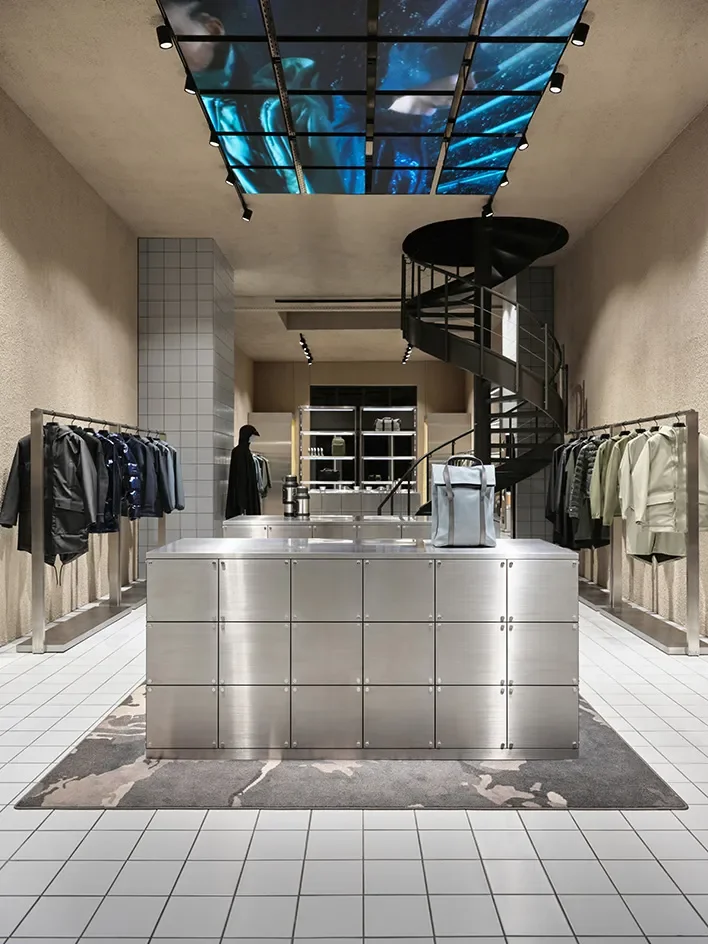
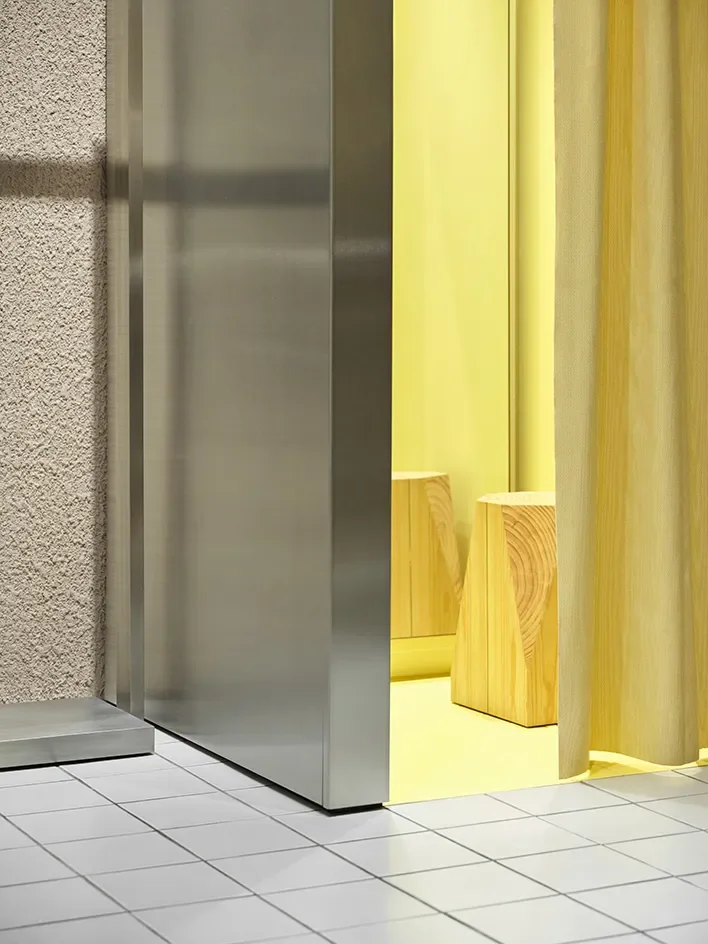
© Rains Amsterdam
This idea extends naturally into hospitality spaces as well. Traditional pubs like The Coal Hole in London are enduring examples of good friction at work. Their appeal lies in spaces that have evolved over time rather than being overly rationalised; odd nooks, unexpected level changes, tight corners and layered rooms shaped by decades of refurbishment and adaptation. The journey through these interiors isn’t linear or perfectly legible, but that lack of coherence is precisely what gives them character. These environments reward exploration, create moments of surprise, and invite people to linger, return and build personal associations. It’s this accumulated friction, spatial, historical and social that underpins their charm, cultural relevance and iconic status.
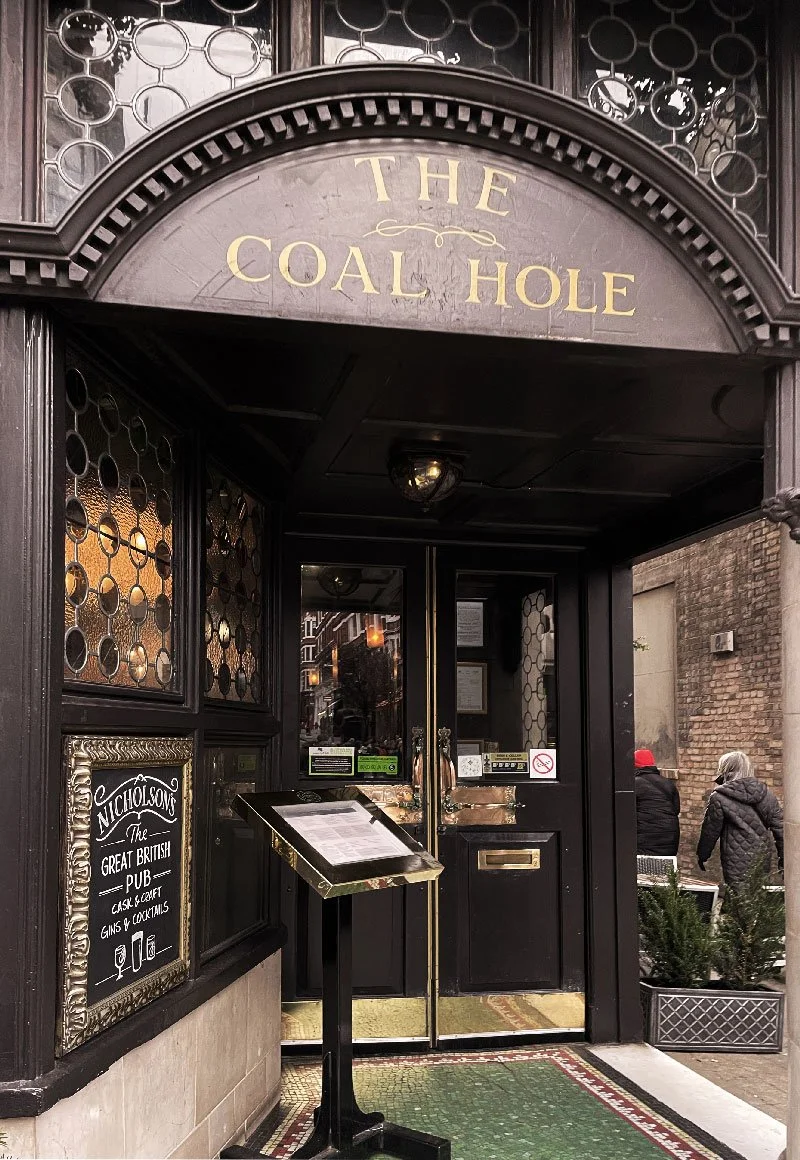
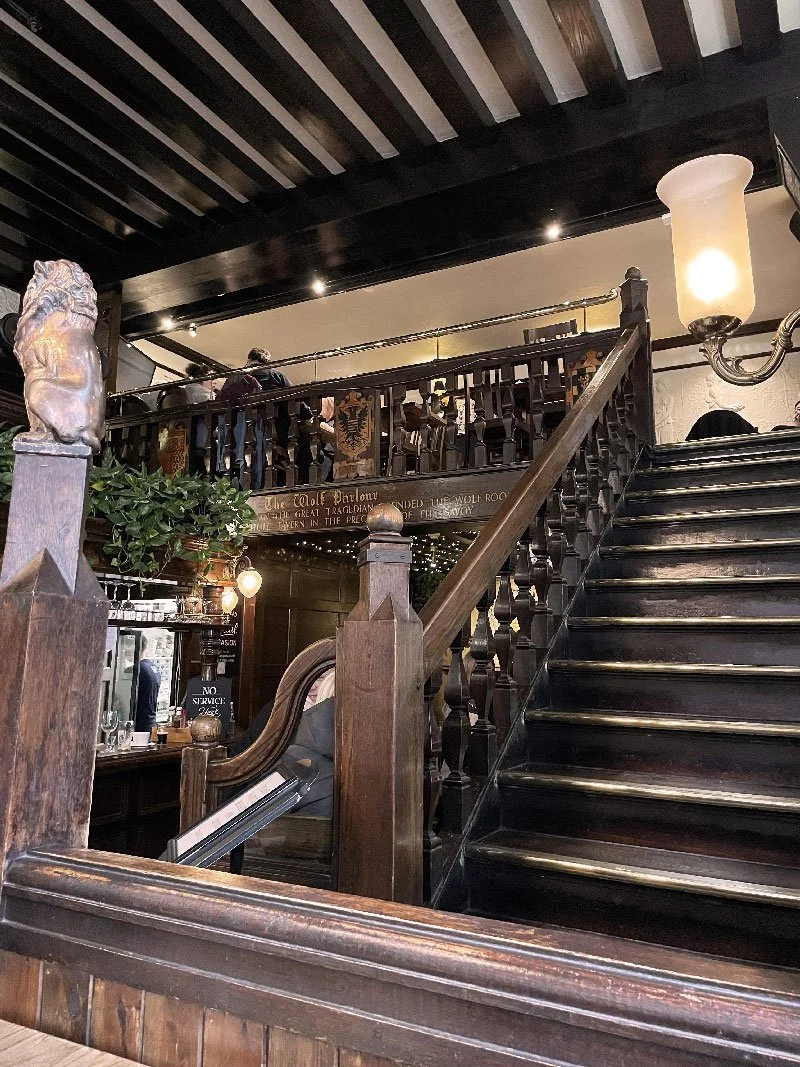
The Coal Hole, London
Creative friction: how collaboration and tension drive brand innovation
Alongside friction in physical spaces, brands are also beginning to recognise the importance of friction in the creative process itself. Creativity does not happen in a vacuum. It thrives on dialogue, collaboration and the productive tension that emerges when different perspectives meet.
Creating space for honest exchange, between disciplines, teams and partners, can feel uncomfortable, but that discomfort is often where the strongest ideas are formed. Friction, in this sense, becomes a driver of originality and relevance, helping brands evolve rather than repeat themselves.
Luxury brands leading the way
Luxury brands are beginning to explore this in experiences with meaning rather than just another beautifully executed but soulless campaign.
Miu Miu recently launched a literary club, inviting writers and artists in an intimate, salon style setting. It was so successful that they repeated it for Milan Design Week. Participants were expected to actively engage, to read, interact and listen.
This was an inspired move by Miu Miu to make the brand part of the cultural conversation, literally, beyond selling product.
Why effort, engagement and participation create lasting memories
The race to make everything faster, easier and more seamless has only highlighted how we as humans find meaning and make our memories when our involvement and effort is required.
Riky Hanaumi of US mental health group Quadrant Health says that ‘convenience culture floods us with instant rewards’ resulting in a ‘strange modern fatigue-we’re over stimulated yet underfulfilled’.
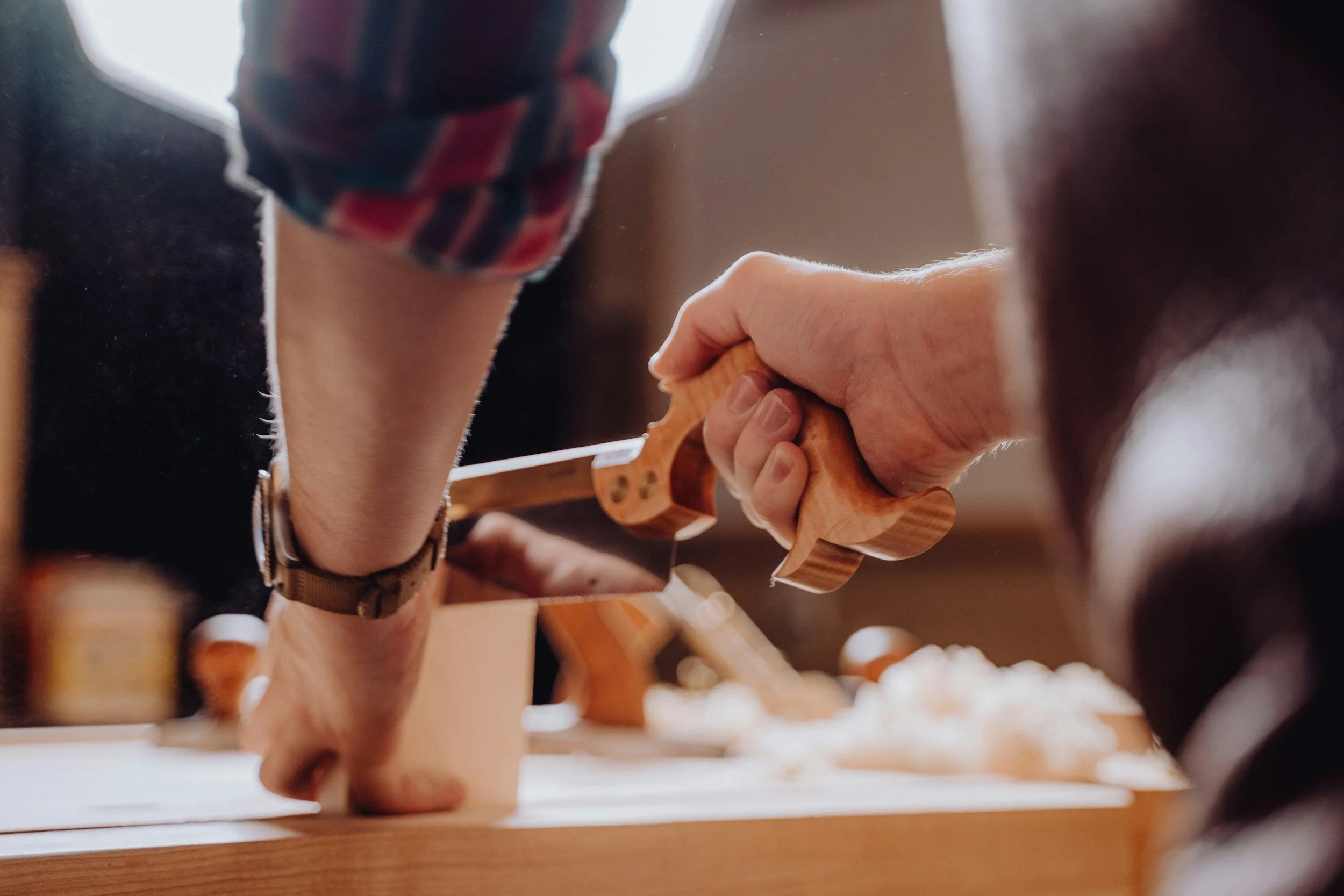
This phenomenon is reflected in the IKEA effect, a cognitive bias where people place disproportionately high value on things they build or contribute to themselves. By engaging actively in experiences, whether reading, discussing, or navigating thoughtfully designed spaces, visitors invest themselves in the moment, making it more resonant and impactful.
Friction as a brand-building strategy for 2026
For brands seeking to build their cultural capital, looking beyond the merely convenient, exploring ways of creating destinations and spaces that go beyond the transactional, where they can offer a richer immersion into their brand by encouraging deeper engagement, more intimate, personal interactions, offering more, but also demanding more from their brand fans, could be a powerful brand building lever in 2026.
At Caulder Moore, we work with brands to design spaces and experiences that balance intention, engagement and emotional depth, using friction thoughtfully to create environments that resonate long after the visit ends.