INSIGHT
The big business of small moments
How much trust can you build in thirty seconds? Perhaps more than you think.
A helpful exchange with a member of staff. A thoughtfully designed fitting room. Or simply finding that something works exactly as you expected.
We tend to associate brand building with the bigger decisions: positioning, identity, campaigns and customer experience strategies. Yet customers encounter a brand through a succession of much smaller interactions, each one reinforcing or undermining what that brand stands for.
WGSN's Future Consumer research introduces the concept of Minorstones: smaller, more personal achievements and occasions that people are increasingly celebrating alongside traditional milestones.
So what if some of the most commercially valuable opportunities aren't the big gestures, but the small interactions we've become accustomed to overlooking?
The reassurance of the familiar
For some businesses, the strongest customer relationships aren't built through extraordinary experiences, but through the consistent attention paid to everyday details, familiarity and consistency.
Take Simmons Bakers, the family-owned Hertfordshire bakery business we've worked with across several locations. Its strength lies in being a genuine neighbourhood bakery. Somewhere people pick up lunch, stop for a coffee after the school run or collect something for a family celebration.
There's a particular kind of trust in that familiarity. Customers know what to expect, and the experience gives them reasons to keep coming back.
But familiarity doesn't mean standing still. The Simmons team is continually looking for ways to improve the customer experience, and our design approach reflects this. While familiar elements of the customer journey and brand identity provide consistency across stores, the seating, layout and smaller details are carefully adapted to suit each space, location and its customers.
Customers might not consciously register each individual decision, but together they reinforce a sense of comfort and trust in the brand.
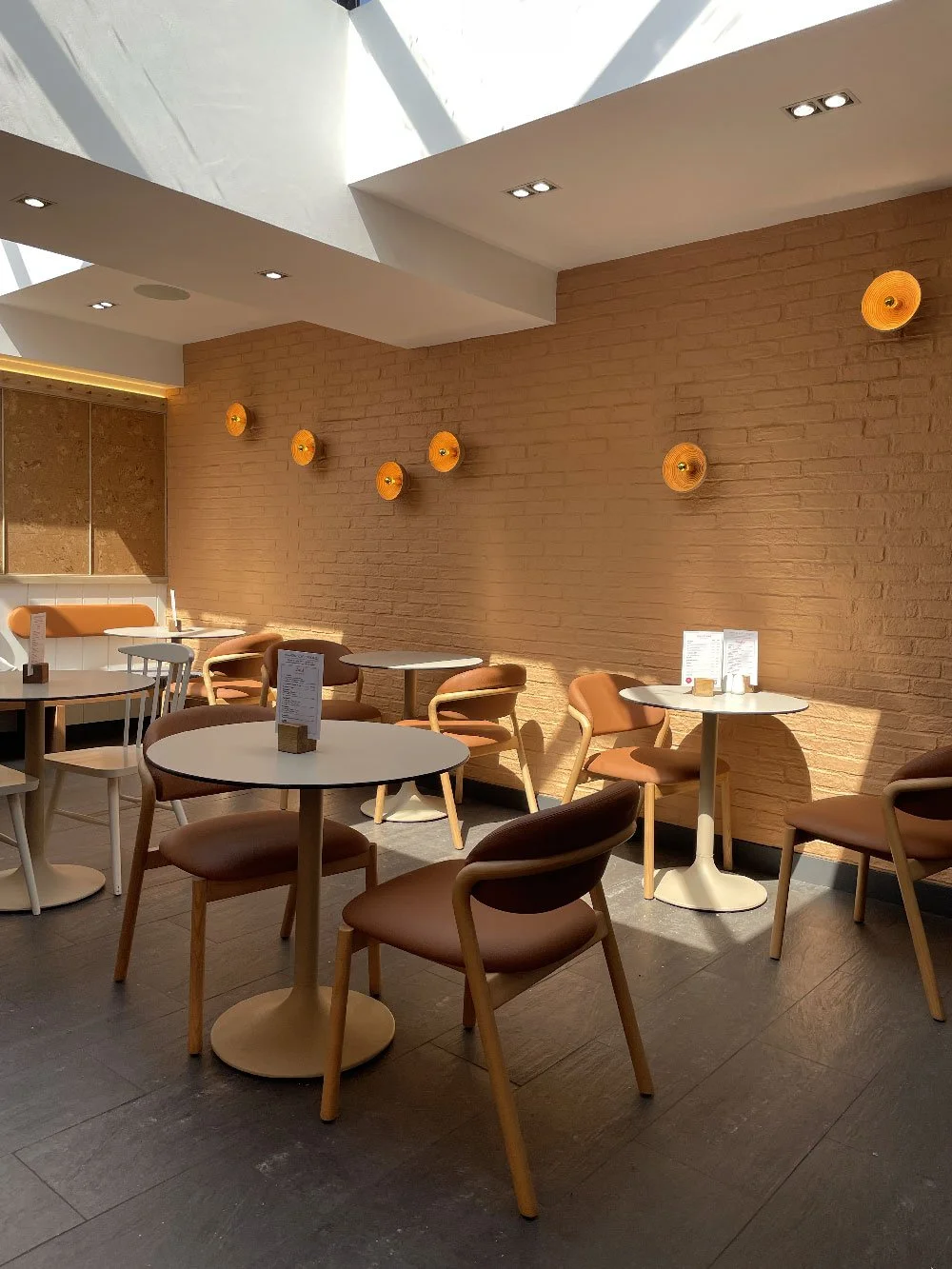

New store refurbishment for Simmons Bakers in Harpenden
Don't make your brand another task
Becoming part of someone's everyday life doesn't always mean creating a place they want to spend more time. Sometimes it means asking less of them.
It's an idea we've been exploring through our strategy and branding work for Formettā, a cellular health brand built around the proposition Moves With You.
Wellness is a category full of rituals and promises of transformation. But for people already balancing work, family and everything else life demands, another elaborate daily routine can feel like another obligation.
Rather than asking customers to carve out additional time for wellness, Formettā is designed to integrate naturally into the lives they're already leading. This thinking has shaped the brand's strategy, messaging and visual language. The proposition isn't about adding more to people's lives, but making an important part of their wellbeing feel effortless.
For brands, the question is: Does your proposition fit the way your customers actually live, or the way you'd like them to behave?
Small gestures, stronger relationships
Not every meaningful interaction is about reliability or convenience. Sometimes it's about participation and giving people something beyond what they expected.
Earlier this year, Longchamp brought a playful interpretation of summer to London's Sloane Square with its La Plage pop-up.
Alongside its seasonal collection, visitors could take part in complimentary shell-painting and watercolour workshops, enjoy a beach bar and sample ice creams inspired by the collection's colours.
What made the activation interesting wasn't simply its visual impact. It was the way the brand invited people to participate without making a purchase the central requirement.
It's a theme explored in Portas and Snap's Memento Generation research, which highlights a growing appetite for authentic, shared experiences, particularly among younger consumers. Rather than another carefully curated moment designed for social media, the opportunity is to create something people genuinely enjoy taking part in.
It reflects the appetite for authentic, shared experiences highlighted by the Memento Generation research. But participation doesn't always require a pop-up or an organised activity. It might be a thoughtful personalisation service, a small gesture of appreciation or an interaction that feels more human than transactional.
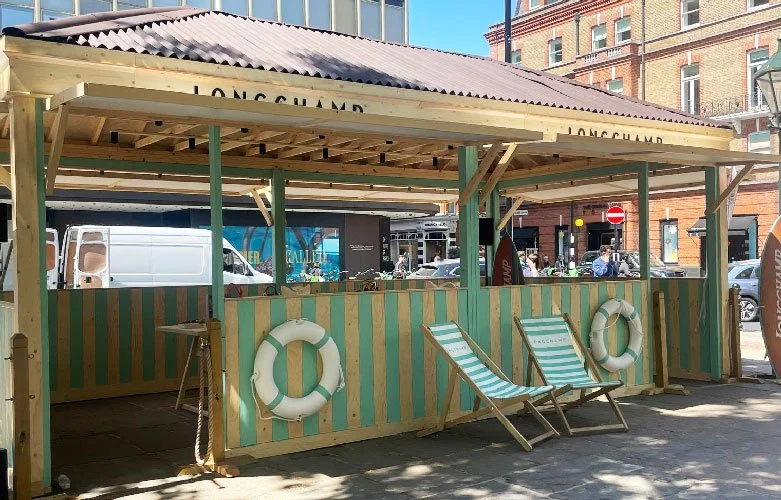
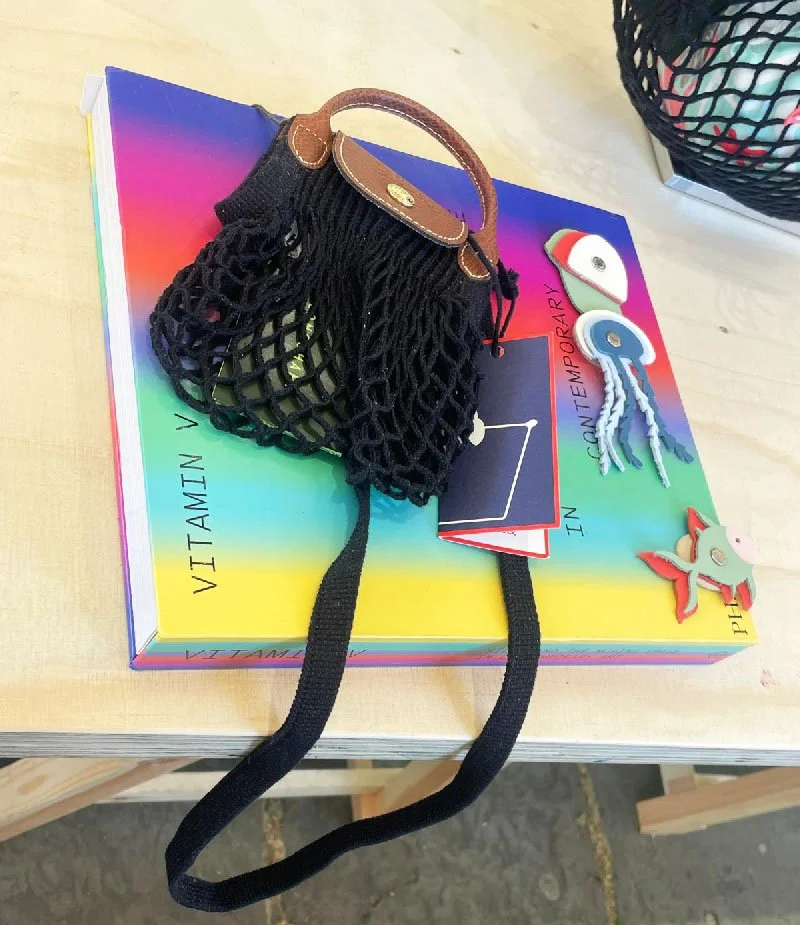

Longchamp pop-up, London
From brand promise to brand proof
In The Revenge of Analog, David Sax explores why physical things continue to hold appeal in an increasingly digital world, from vinyl records and paper notebooks to real-world social spaces.
There's something compelling about the idea that, in a world where we're more digitally connected than ever, the simple act of coming together to share an experience is beginning to feel special again.
Spiritland in King's Cross captures this beautifully. Inspired by the warmth of 1970s recording studios and Tokyo's legendary listening bars, its retro interiors and carefully considered sound system create an environment where music becomes a shared experience rather than simply background noise.
With Spiritland's recent opening at the Barbican, the concept continues to evolve, bringing people together through music, listening sessions and cultural events.
Here the value of a physical space isn't always about creating something extraordinary. Sometimes it's about making room for the simple pleasure of being together. A strong brand idea establishes the promise. The details of the experience provide the proof.
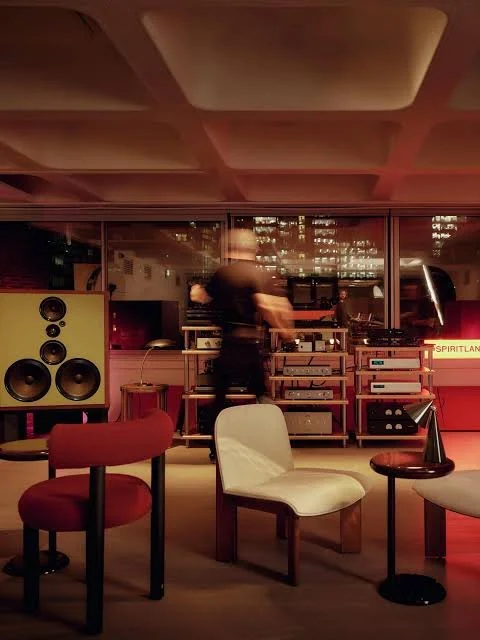
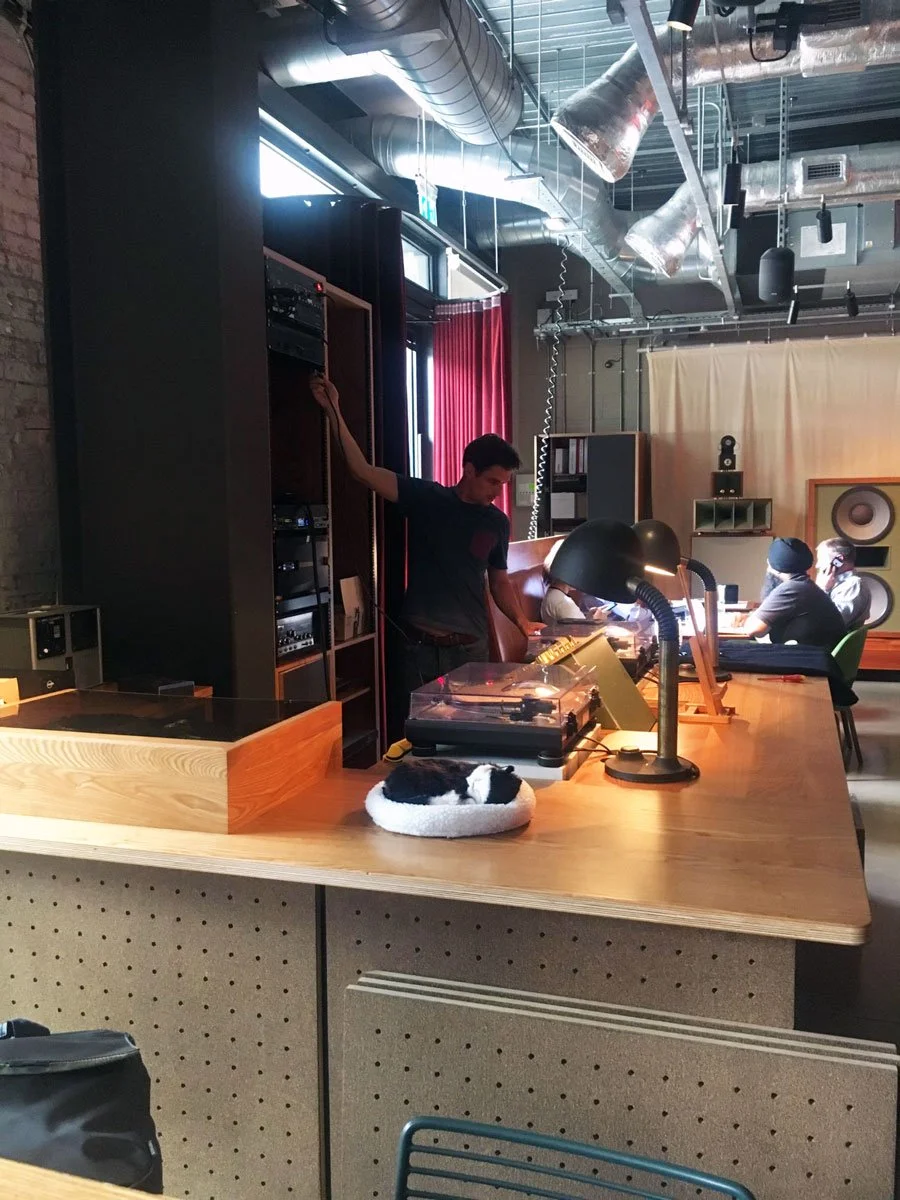
Spiritland Kings Cross & pop up in the Barbican
The smallest decisions can make the biggest difference
It's easy to focus on the big moments in brand building: a new identity, a flagship opening, a major campaign or a product launch. But often the relationship between a brand and its customers is sustained by what happens afterwards.
The reassurance of the familiar. The thoughtful details that make a space feel welcoming. A product that fits effortlessly into everyday life. An unexpected gesture of generosity. The simple pleasure of sharing an experience with others.
Perhaps the most useful exercise for any business is to ask three simple questions:
Where do our customers need reassurance? Identify the interactions where clarity, consistency and thoughtful design could strengthen confidence.
Where can we demonstrate that we understand their lives? Look beyond the purchase to the routines, pressures and personal occasions that influence their decisions.
Where could we give a little more than expected? Find opportunities for generosity, participation or human connection that feel authentic to the brand.
Because brand building isn't only about making the right promises. It's about proving them, one small moment at a time.