
INSIGHT
The power of small moments
Which places do you still remember years later? Not just because of what you bought or ate, but because of what happened there.
The café where you celebrated a new job. The restaurant where you told friends some important news. The hotel lobby where an ordinary coffee turned into an unforgettable conversation.
These aren't life's biggest milestones. They're the smaller, personal moments that quietly shape who we are.
WGSN describes this as “Minorstones", the increasingly important everyday achievements that people are choosing to celebrate. As traditional milestones such as buying a first home or getting married happen later in life, or take on new meanings altogether, we're choosing to celebrate more personal moments and times.
For brands, this raises an important question. How can physical spaces become part of these moments?
The moments we remember
Nobel Prize-winning psychologist Daniel Kahneman's Peak-End Rule suggests that we don't remember experiences as an average. Instead, our memories are largely shaped by two moments: The emotional peak and the ending.
It's an idea with fascinating implications for retail and hospitality. Great design considers every square metre, but the spaces people remember are often defined by a handful of carefully crafted moments. For example, the anticipation as someone walks through the door. The unexpected discovery around a corner. A meaningful conversation with a member of staff. The ritual of wrapping a purchase. The final impression as someone leaves.
These are the moments that stay with us and that we tell other people about.
Restoration Hardware’s newly opened London gallery is a compelling example of designing for the experience beyond the purchase. Rather than simply displaying furniture, the building unfolds as a series of immersive spaces where visitors can browse, linger, eat and drink.
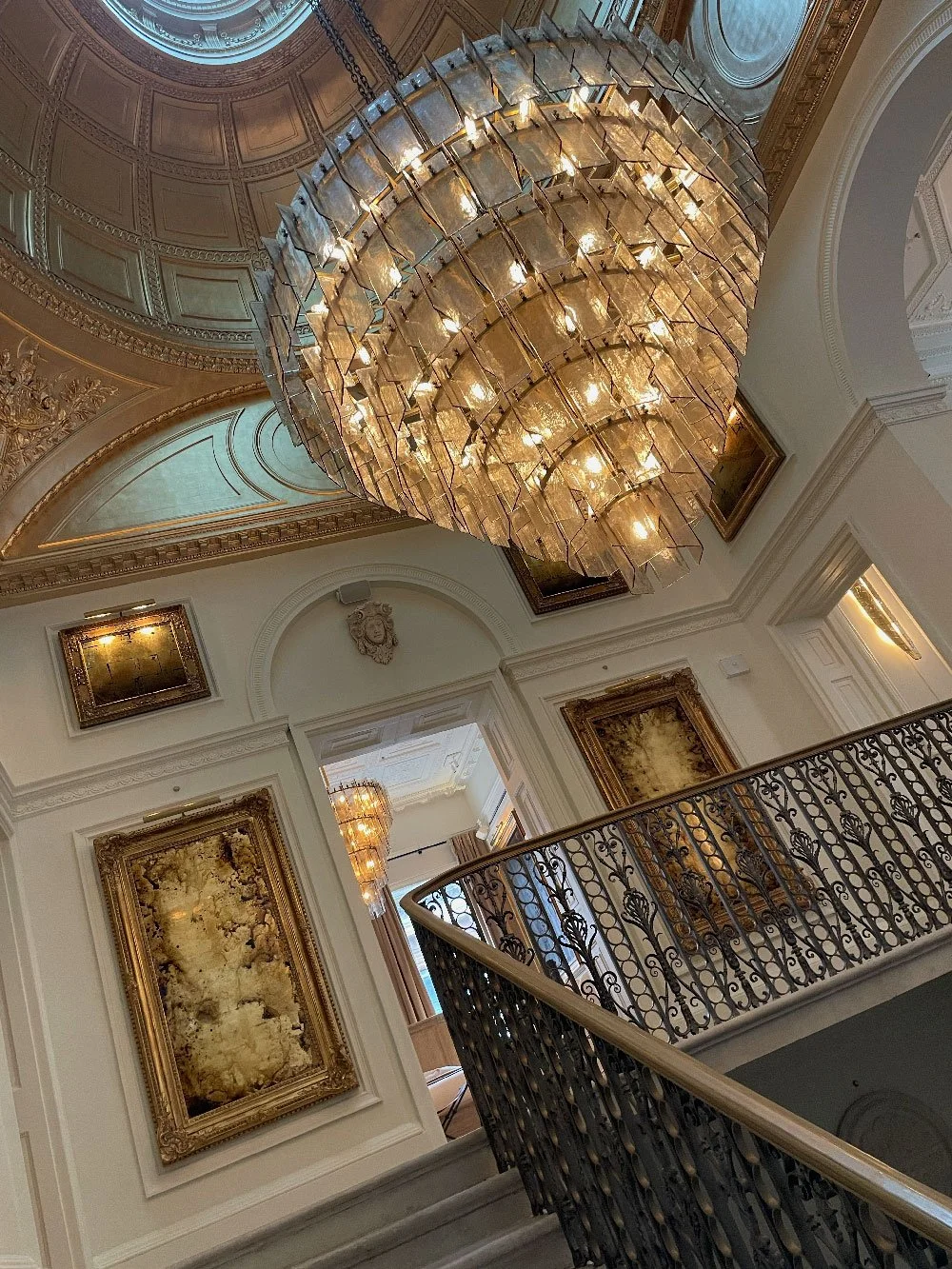
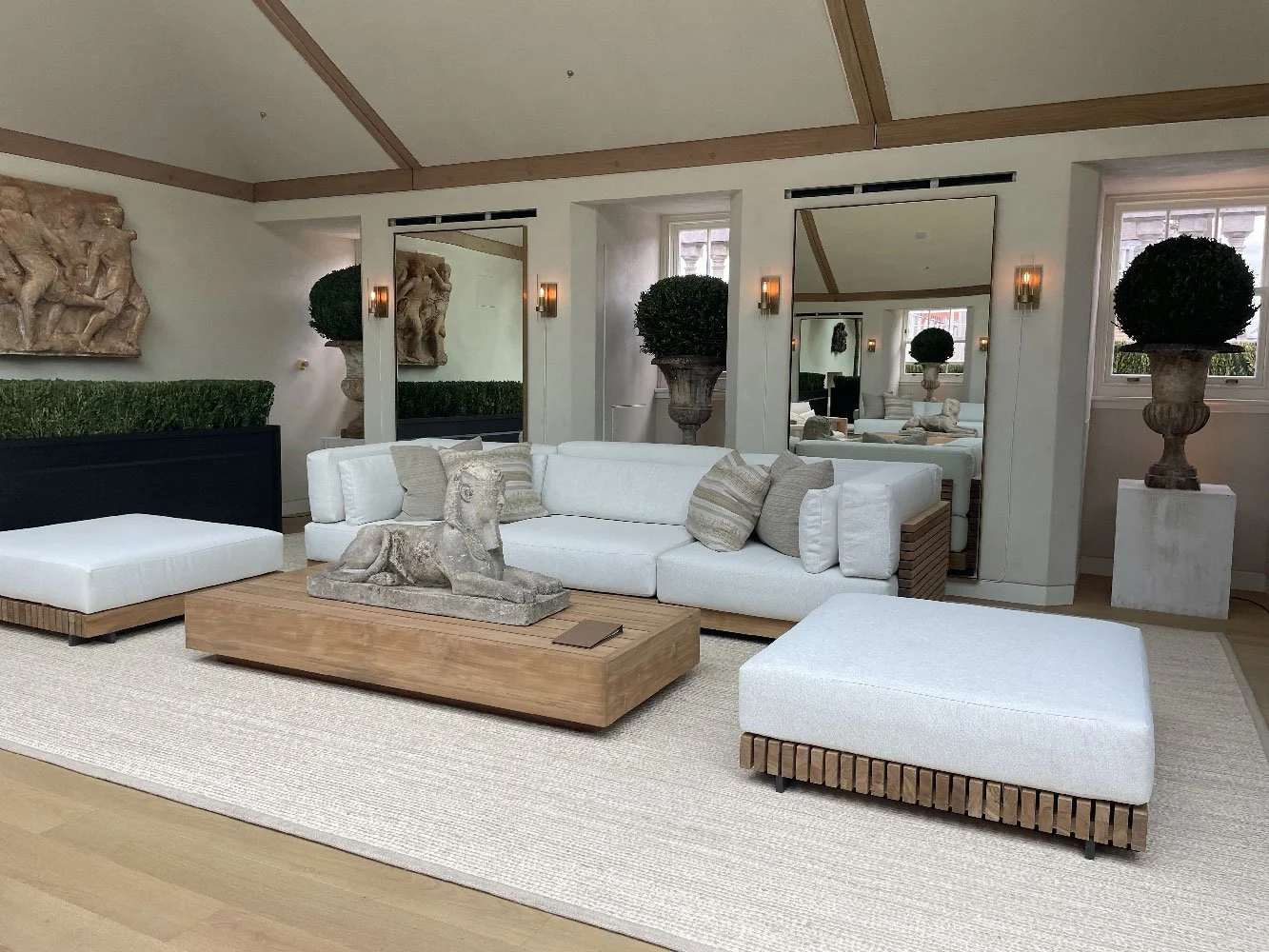
Restoration Hardware London
Hospitality is an important part of that experience, with The Dining Room offering a dramatic setting beneath a gold-leaf ceiling and hand-blown Venetian glass chandeliers, alongside a more intimate wine bar. Upstairs, The Perch Bar provides a very different experience: a secluded rooftop space inspired by an aviary, with smoked glass, planting and birdcage-like structures creating pockets of privacy and intimacy.
The result is a destination that blurs the boundaries between retail, hospitality and social space. You might arrive to look at furniture, but the experience can easily become lunch, a drink, a conversation or simply an afternoon spent exploring. It's this layering of different experiences that makes the visit memorable, and gives people reasons to stay beyond the purchase itself.

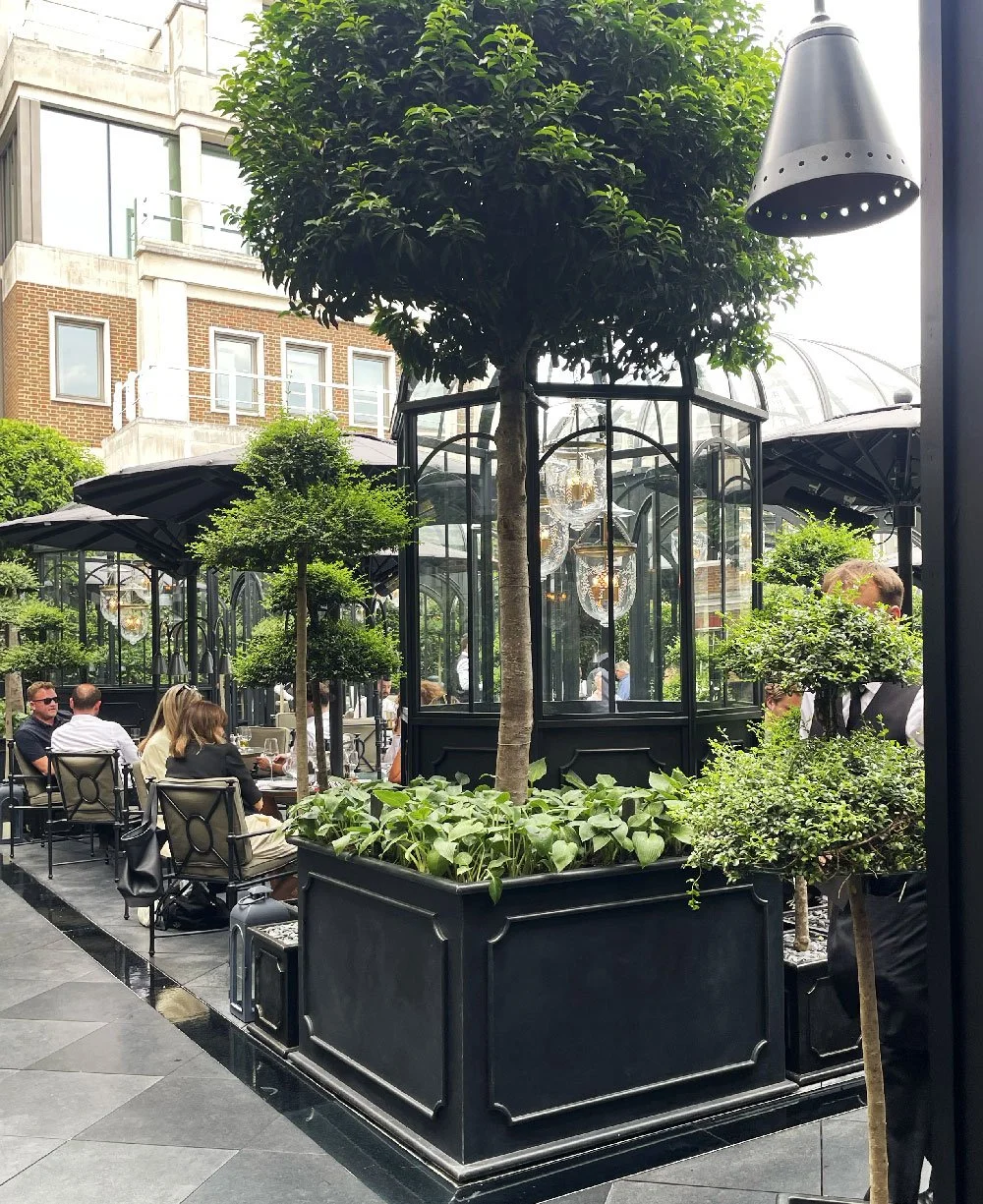
Perch Bar at Restoration Hardware, London
More than a generational shift
Recent research from Portas and Snapchat suggests something much broader than changing shopping and eating habits. It points to a growing desire for shared experiences, authentic moments and memories that feel real, experiences that physical places are uniquely positioned to provide.
One observation from the report particularly stood out:
"Snap captures the moment as it actually happened – unedited, unfiltered and entirely real."
It's an interesting contrast to the highly curated world of social media. People aren't only looking for picture-perfect experiences. They're looking for genuine ones. Moments worth remembering because they happened naturally, not because they were created for the camera.
For retail and hospitality, that's an important distinction. Designing an Instagrammable corner is one thing. Designing a place, or a brand, that becomes part of everyday life is something entirely different.
The same thinking applies beyond physical environments. At Caulder Moore, we're currently working with Formetta, helping shape the brand strategy, identity and visual language for a wellness brand built around a refreshingly different idea. Rather than asking people to carve out time for another ritual, Formetta is designed to move effortlessly with modern life. It doesn't demand a pause or create another task on an already full to-do list. Instead, it quietly integrates into existing routines, supporting people without asking them to slow down.
In many ways, that's another expression of authenticity. The most meaningful brands aren't always the ones demanding attention. Increasingly, they're the ones that fit so naturally into people's lives that they become part of the rhythm of everyday living.
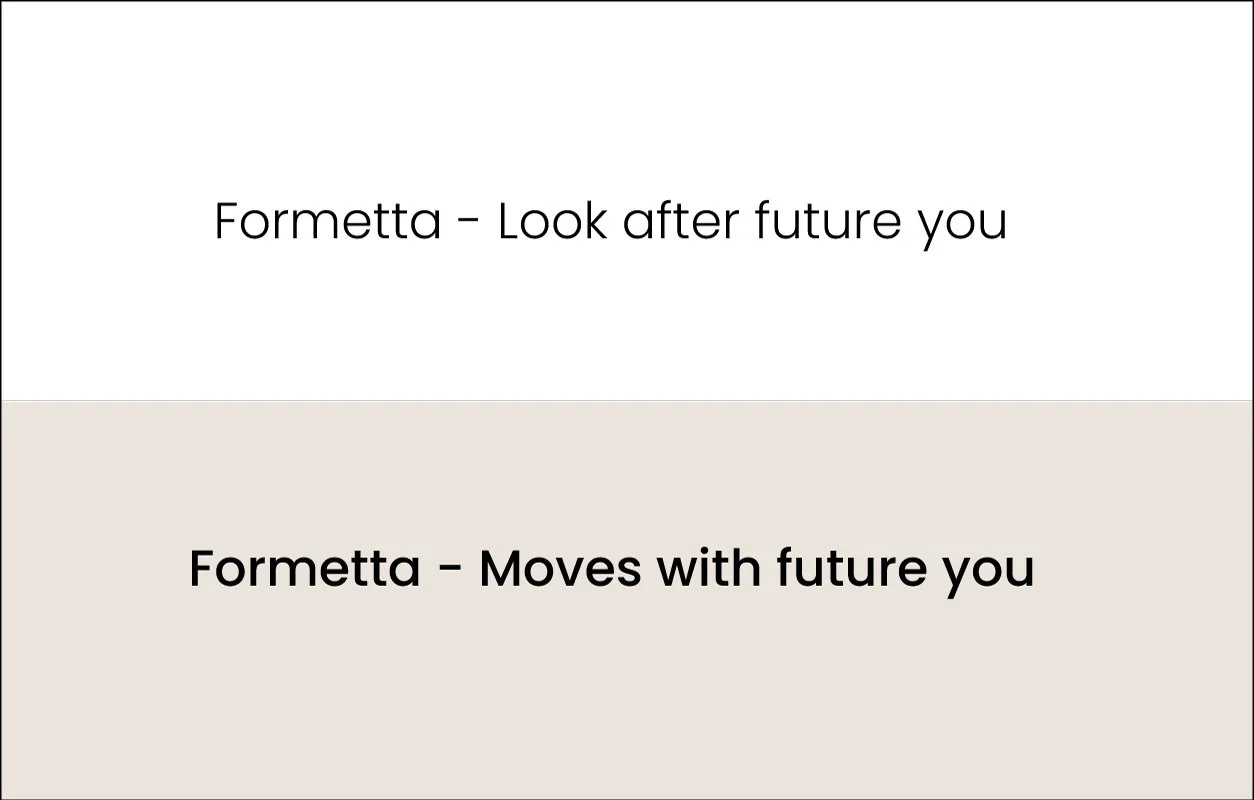
Formetta Brand Strategy
Designing spaces for stories
The popularity of unboxing videos prove that people enjoy sharing what they've bought. But the products that resonate most are often wrapped in a bigger story: where they were discovered, who they shared the moment with, or the experience that surrounded the purchase. People talk about the hidden café they stumbled across, the shop they spent hours exploring, the pop-up they discovered by chance, or the atmosphere that made them want to stay a little longer.
Products may start the conversation, but experiences are what make them memorable. The purchase often becomes a reminder of the experience, rather than the experience itself.
The best retail and hospitality experiences don't just give people something to take home. They give them something to talk about.
Therefore, not every memorable experience needs to be a grand occasion. Sometimes it's the places we return to again and again that become woven into the fabric of our lives. This is exactly what makes Simmons Bakers so special.
Simmons has built its reputation on being a true neighbourhood bakery. It's where people stop for breakfast before work, pick up lunch with familiar faces behind the counter, collect a birthday cake, celebrate exam results with a donut or enjoy a coffee after the school run.
Their recent design updates by Caulder Moore was designed to strengthen this sense of belonging. Warm, welcoming materials, bespoke bakery-inspired lighting and comfortable seating create an environment that feels both familiar and contemporary, encouraging customers to linger rather than simply queue and leave.
It's a reminder that the most successful retail environments don't just support life's biggest celebrations. They can become the backdrop to its smallest, yet most meaningful moments.
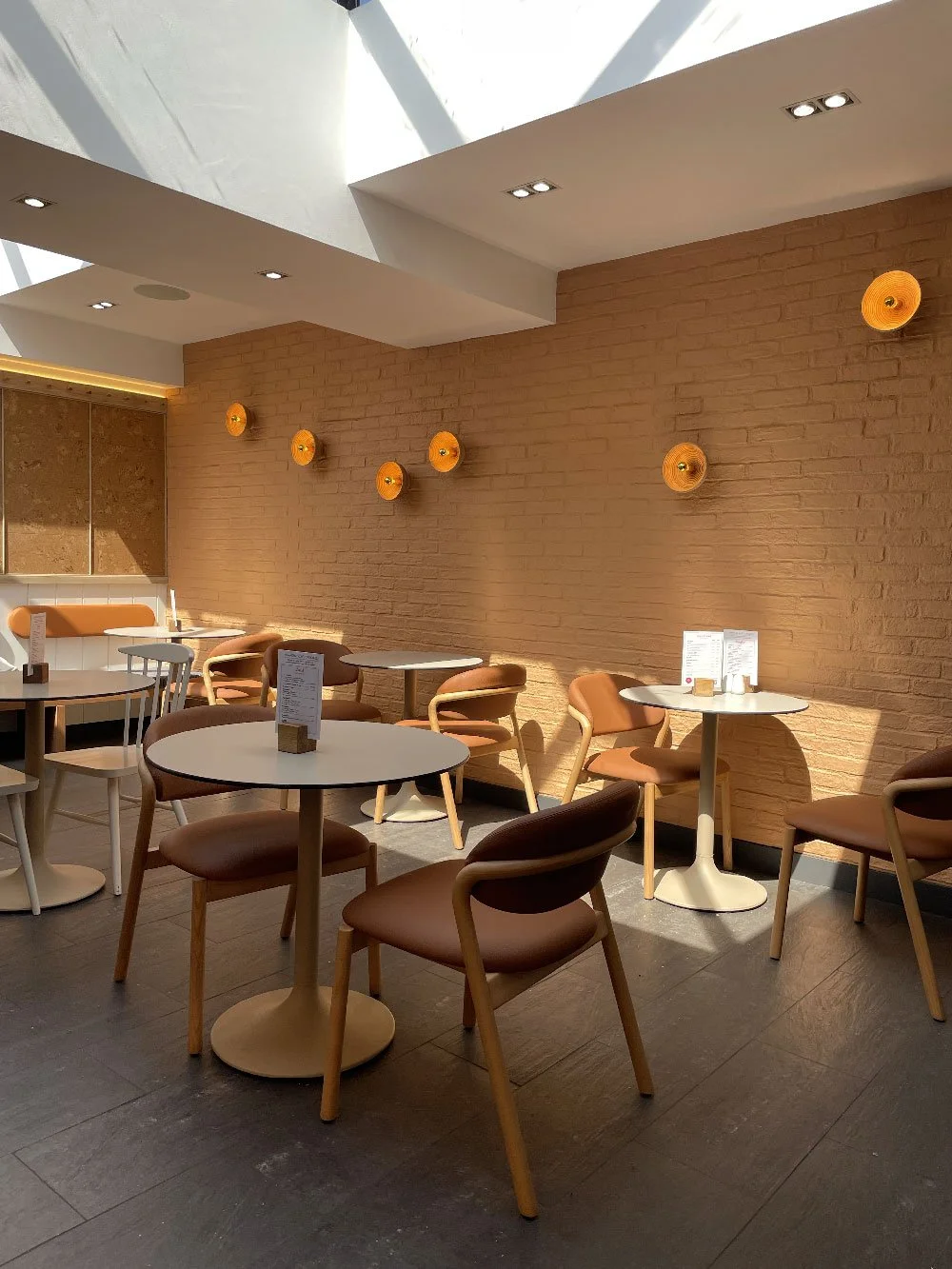
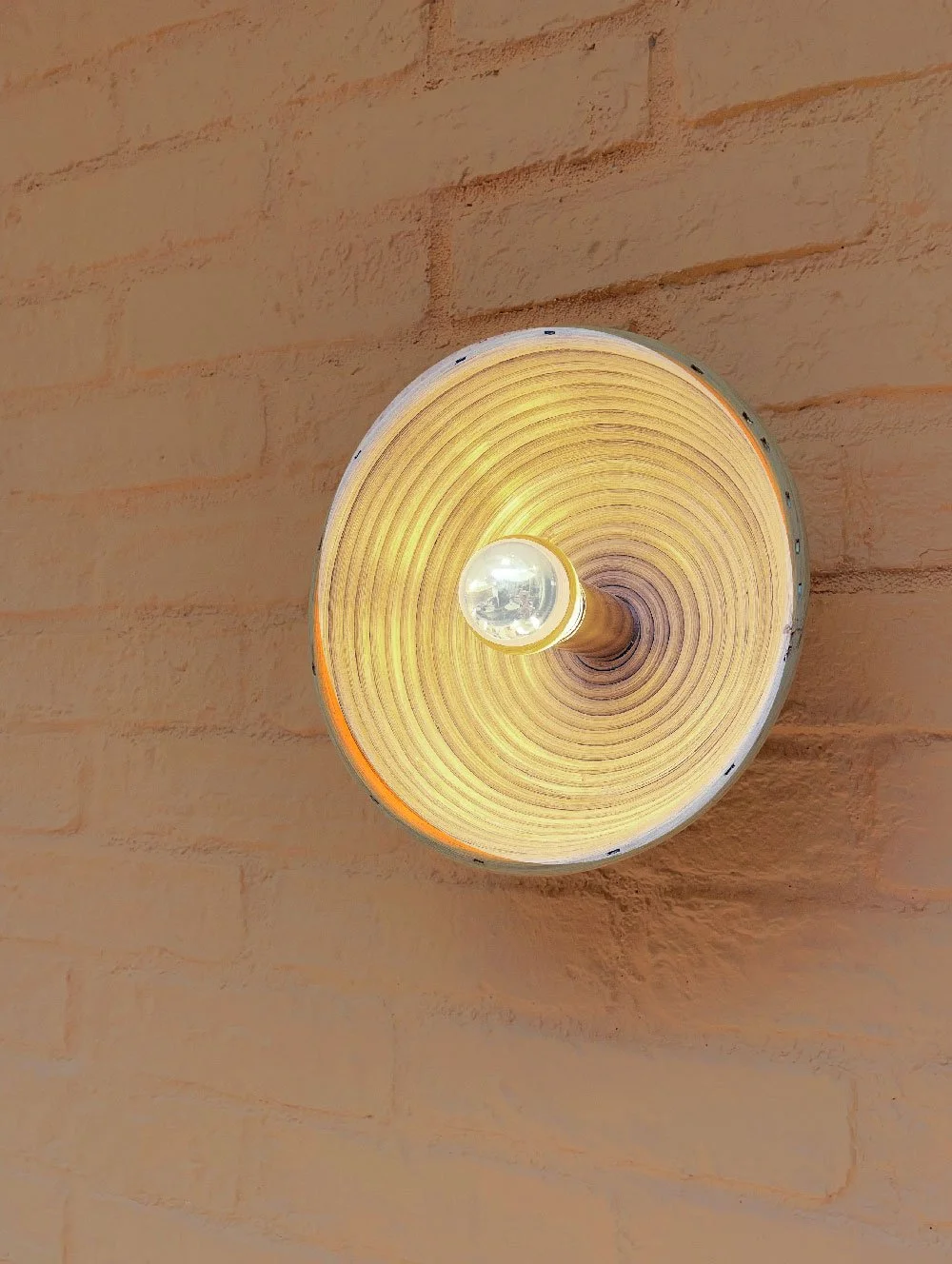
Simmons Bakers, Harpenden
Turning participation into memories
The Portas report poses an interesting challenge. How do we turn participation into memories?
For successful brands, participation isn't about adding more technology or creating a space that's simply photogenic. It's about inviting people to become part of the experience. Hospitality and wellness brands have a built in experiential element that retail more and more need to incorporate into their stores.
A wonderful example was La Plage Longchamp, the brand's summer pop-up in London's Sloane Square.
Rather than simply showcasing a seasonal collection, Longchamp created a joyful celebration of summer through a playful surf-inspired concept with a distinctly Parisian twist. Visitors could enjoy creative workshops, browse a curated collection, relax at the beach bar and even enjoy ice creams inspired by the collection's colours.
The complimentary shell-painting and sunset watercolour workshops transformed the space from a retail activation into something much more meaningful. They weren't designed to drive an immediate purchase, but to create moments of creativity and shared experiences.
The result was a pop-up that people remembered not because of what they bought, but because of how it made them feel.
For retail brands, that's an important distinction. Experiences that invite participation don't simply create footfall, they create stories people take home with them.
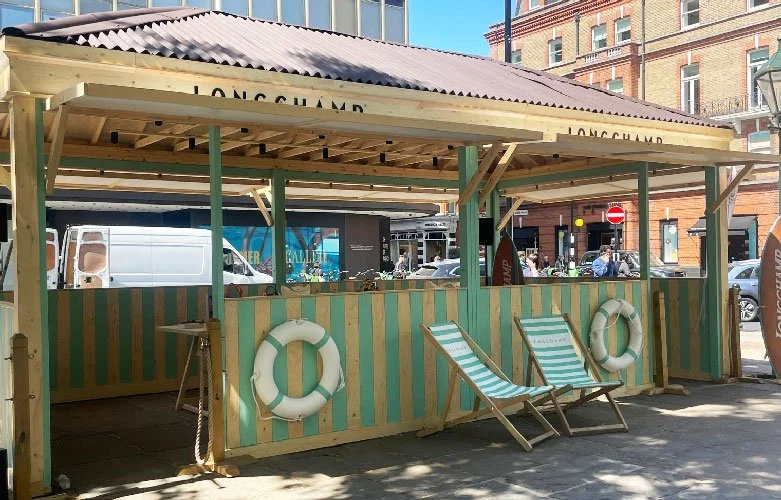
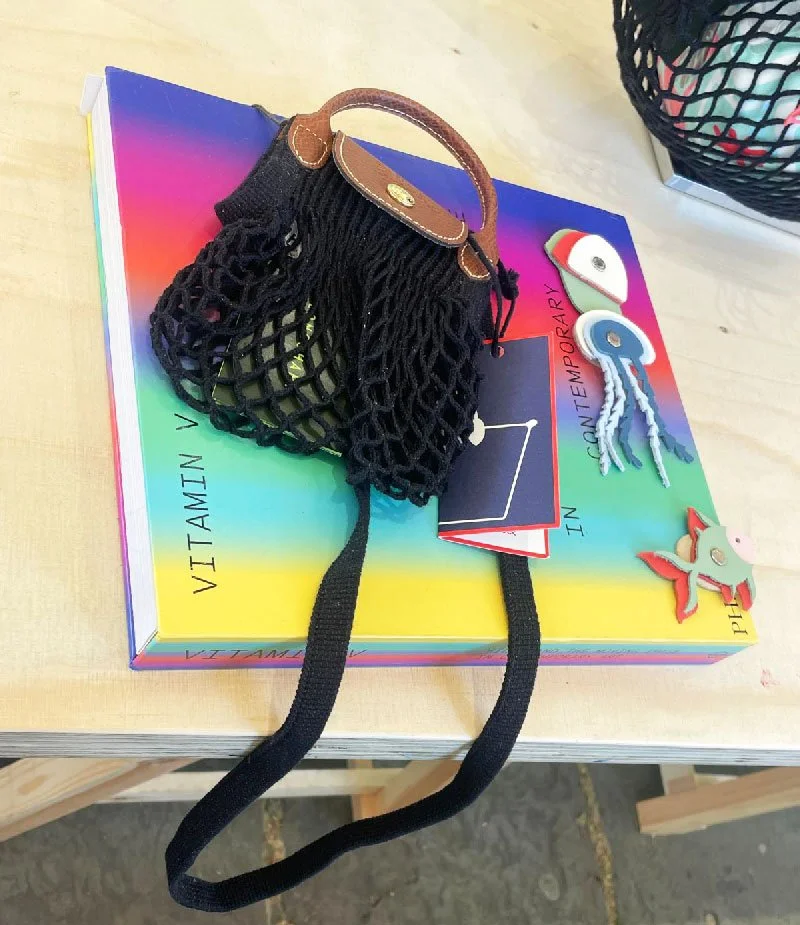

Longchamp pop-up, London
A final thought
We often measure success through footfall, conversion rates and average transaction values. And those metrics matter. But perhaps there's another question worth asking.
Will anyone remember being here?
Because the brands people return to aren't always those with the biggest marketing budgets or the fastest checkout.
They're the ones that become part of life's little moments. The places where memories begin.