
INSIGHT
Restorative retail
How the world's best retail and hospitality brands are designing spaces that restore rather than stimulate.
For decades, retail has been competing for one thing: our attention. Brighter screens. Faster journeys. Bigger promotions. More choice.
The assumption has always been that the brands shouting the loudest would win. But what if today's consumers are looking for exactly the opposite?
According to WGSN's latest Future Consumer report predicting trends for 2028, one of the most influential emerging consumer mindsets isn't driven by novelty or constant stimulation, but by restoration. They call this growing audience, The Restorers: people who actively seek brands, products and places that help them feel calmer, more present and less mentally depleted.
It's a shift that reaches far beyond wellness. It signals a new expectation of the spaces we choose to spend time in. For retailers and hospitality brands alike, it raises an important question.
How do we leave people feeling better than when they arrived?
Attention has become our most valuable currency
Every day we are asked to make thousands of decisions. What to buy. Where to go. Which notification to answer next. Every brand competes for a share of our attention, yet very few consider what happens when that attention becomes exhausted. Sometimes even the shear amount of choice when one walks into a store is overwhelming.
The role of physical retail has traditionally been to capture attention. And for decades, success in retail has been measured through familiar metrics: footfall, dwell time, basket size and conversion. While these remain important, another measure is becoming increasingly valuable: a positive emotional shift. Perhaps its future lies in protecting it.
The brands that will stand apart aren't necessarily those that create the most stimulation, but those that offer a welcome contrast to it. Spaces that feel intuitive, calming and effortless don't simply make shopping easier; they leave people feeling better than when they arrived.
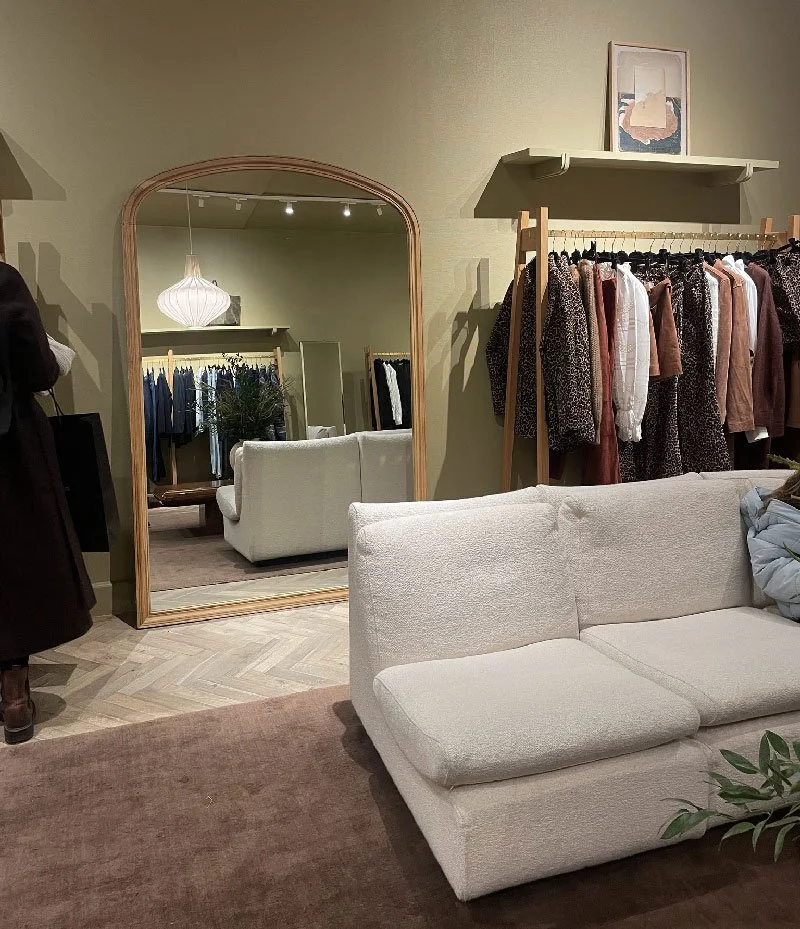
A great example is Sézane's apartment-style stores, that invite customers to slow down, with comfortable places to pause, sit and absorb the space, making browsing feel more like spending time in a beautifully curated home than a traditional shopping trip.
Designing for restoration
Creating restorative spaces doesn't mean creating empty ones. Nor does it mean stripping away personality. The most memorable environments still feel rich, layered and deeply connected to their brand. The difference is that every element works together to reduce cognitive load rather than increase it.
Natural materials introduce warmth and authenticity. Dynamic lighting creates rhythm throughout the day rather than relying on constant brightness. Thoughtful acoustic design and zoning encourage conversation instead of competing with it.
Layouts become intuitive, allowing customers to move effortlessly through a space without feeling overwhelmed with navigational visual clutter. Comfortable pause points are woven in throughout the customer journey, rather than being confined to tills or service counters, signalling that customers are invited to stay, not simply shop.
These aren't simply aesthetic choices. They're emotional ones. As interior designers, we don’t just consider how a space looks. We're considering how it allows people to feel.
What restorative design looks like
Aesop
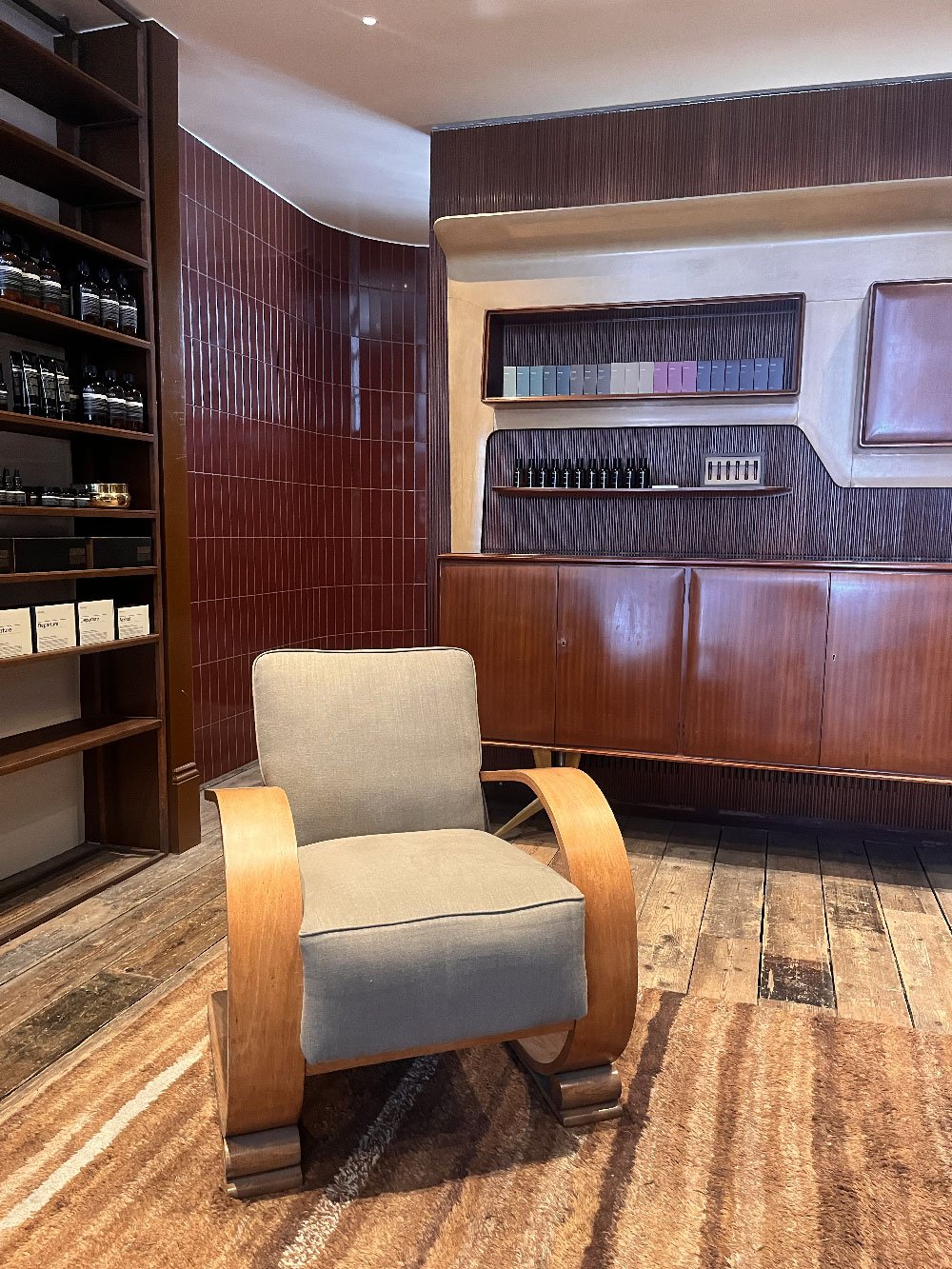
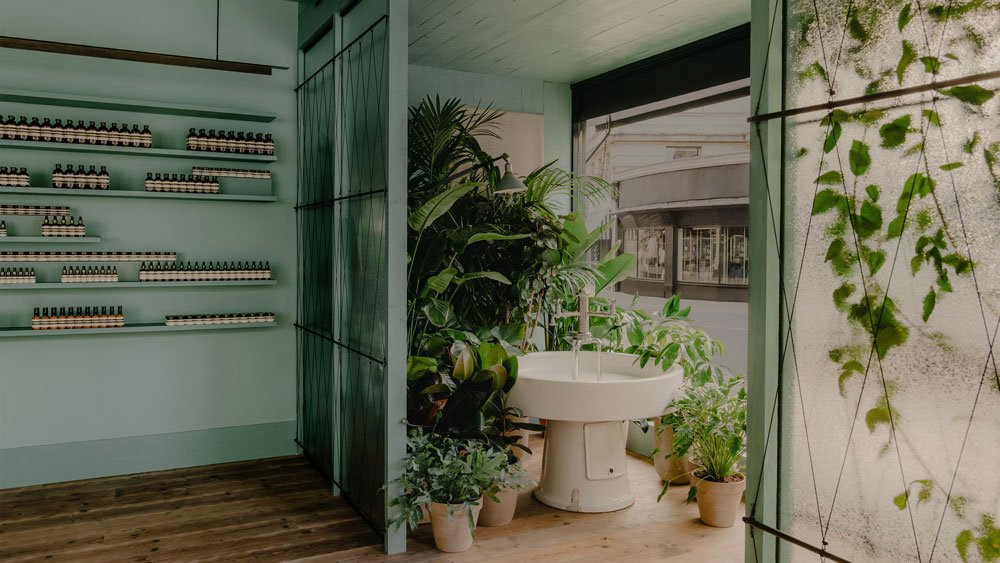
Few retailers have demonstrated this better than Aesop. Each store is designed with restraint, using nature and planting, generous spacing, seating with carefully considered lighting to create a sense of calm. Products are given room to breathe, encouraging exploration at a slower pace and transforming shopping into a more mindful experience.
Public Hotel, New York
Although located in one of the world's busiest cities, Public Hotel offers an immediate sense of decompression. The dramatic transition from the energy of Manhattan into softly lit interiors, natural materials and carefully curated soundscapes demonstrates how thoughtful hospitality design can transform our emotional state within moments. The spaces are intuitive and effortless, guiding guests through a carefully considered journey that balances social connection with moments of calm. Here, the experience begins long before reaching a room, showing how design can create a powerful emotional shift from arrival onwards.


Public Hotel, New York City
Chelsea Peers
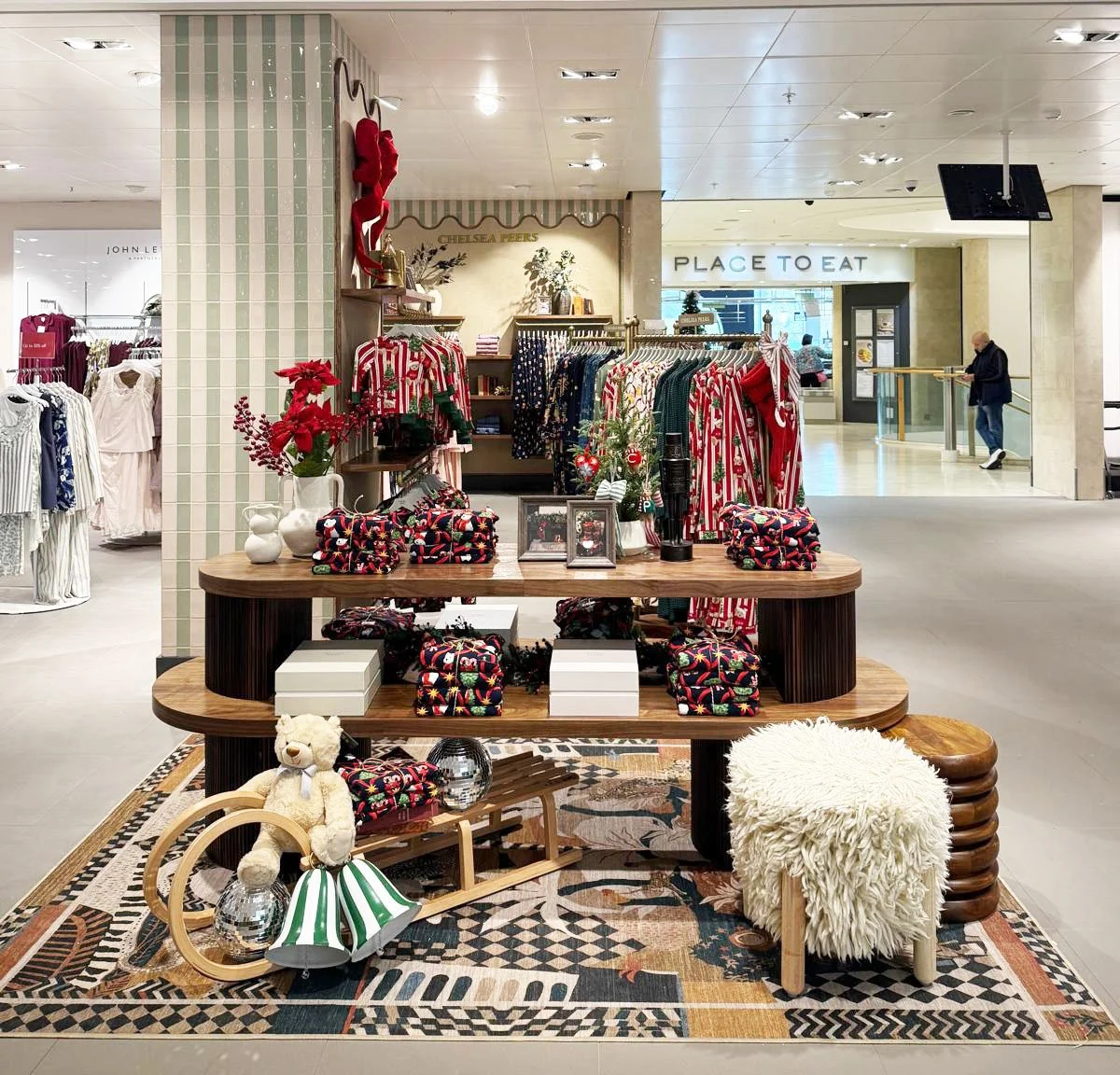
This principle informed our work with Chelsea Peers. Rather than creating a traditional fashion retail environment, the design sought to evoke the feeling of stepping into a beautifully curated home. Warm timber finishes, soft residential detailing and an uncluttered layout invite customers to slow down, browse naturally and connect with the lifestyle behind the brand rather than simply the products themselves.
The result is an environment that feels welcoming, comfortable and authentic — qualities that encourage people to stay longer and return again.
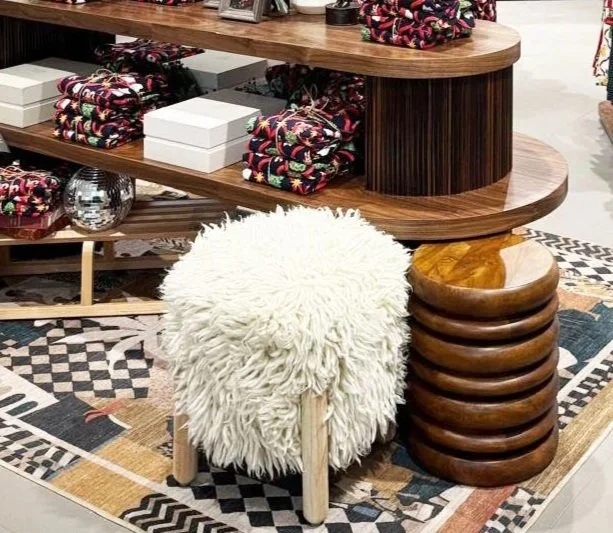
Chelsea Peers
Othership
Othership is challenging the traditional idea of what wellness design should be. Instead of designing for solitude, it’s tailored for connection. Large communal saunas, guided breathwork, immersive sound, music and shared rituals encourage people to disconnect from the constant demands of everyday life while reconnecting with themselves and those around them. As a deliberately phone-free environment, it creates a rare opportunity for genuine human interaction. The founders describe Othership as a modern 'third space'….somewhere beyond home and work, centred on wellbeing and community.
It's a powerful reminder that restoration doesn't always come from silence, minimalist interiors and soft lighting. Increasingly, it comes from meaningful connections. For retail and hospitality brands, the link is clear: creating spaces where people feel part of something, whether through shared experiences or simply opportunities to gather, can be just as restorative as spaces that have been designed with peace and quiet in mind.
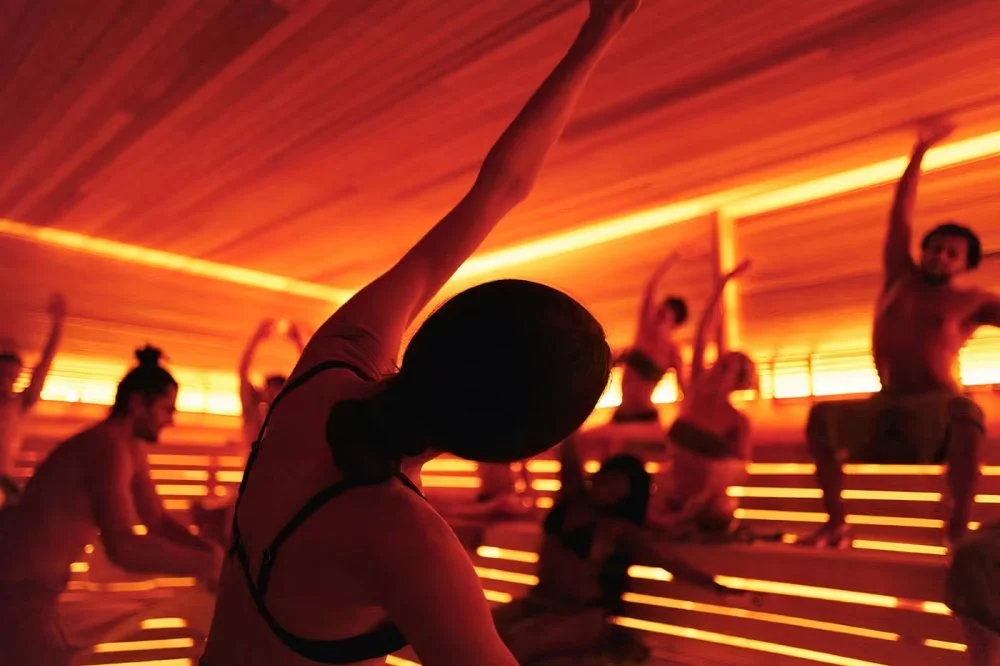
© Othership
Designing spaces that give something back
Most brands with physical spaces will talk about creating memorable experiences. But perhaps that's no longer enough. The most successful spaces of the next decade won't simply entertain us…
They'll restore us.
They'll offer moments of pause within increasingly demanding lives.
They'll replace overstimulation with clarity.
They'll make us feel more connected, more comfortable and more human.
Retail has spent decades asking: How do we attract more people? Perhaps the better question now is: How do we leave people feeling better than when they arrived? Because in a world that's becoming louder, faster and more demanding every day, the brands that create moments of restoration won't simply earn attention.
They'll earn loyalty.