
INSIGHT
From transaction to transportation
Moving people, not product: How physical retail is evolving
If shopping is becoming frictionless, what is the purpose of physical retail?
For decades, retail competed on convenience. Stores existed because they were the easiest way to discover, compare and purchase products.
Today, consumers can buy almost anything from their sofa. AI-powered search, personalised recommendations and increasingly seamless fulfilment are removing friction from the purchasing journey altogether.
Which raises an important question.
If online shopping is effortless, why would anyone visit a store?
We explore how the brands winning in physical retail are creating destinations, not simply points of sale. They are offering what algorithms cannot: sensory experiences, emotional engagement and a sense of belonging.
The goal is no longer to move product. It is to move people.
The store is no longer just a transactional space
The most exciting retail environments are places that blend commerce with art, wellness and community. Increasingly, stores are being reimagined as landmarks, playgrounds and experiential hubs that provide multiple reasons to visit.
This shift is visible across the retail landscape.
Zara's recently reopened flagship on New Bond Street is a world away from the original fast-fashion stores. The space feels elevated and distinctly boutique. Collections are thoughtfully framed, lifestyle moments are layered throughout the environment and the customer journey feels considered rather than transactional. Technology quietly removes friction, while the environment itself creates a sense of discovery and aspiration. The result is not simply a bigger store, but a richer brand experience.
This new Zara store is also an example of how continual innovation remains critical. Despite its scale and maturity, the brand continues to reinvent its physical experience and the environment itself elevates the perceived value of the product.
The lesson is clear: standing still is not an option. Whether a brand is a fast-growing disruptor or a global retail giant, physical environments must continually evolve to meet changing customer expectations.
In our previous newsletter Timeless or Tired, we explored how heritage alone is no guarantee of future success. The same principle applies here. The brands thriving today are not necessarily the oldest, largest or most established. They are the ones continually finding new ways to create relevance and excitement.
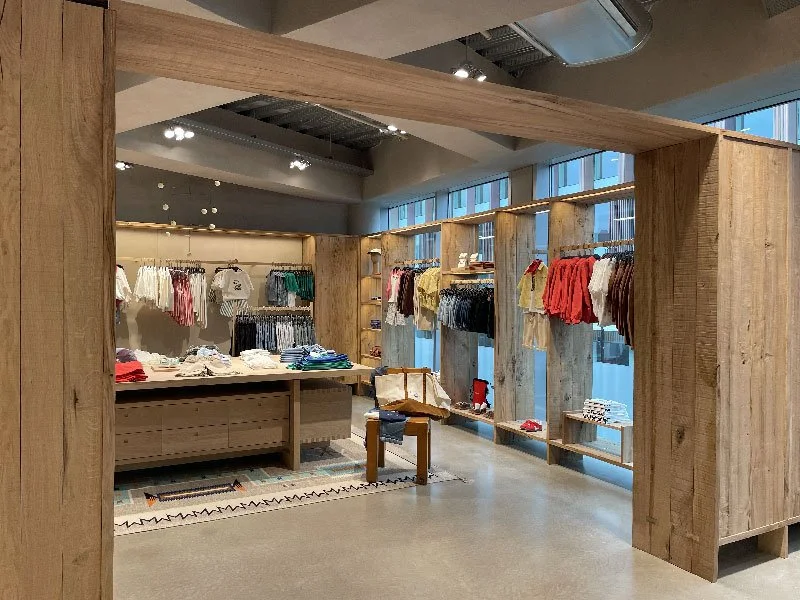
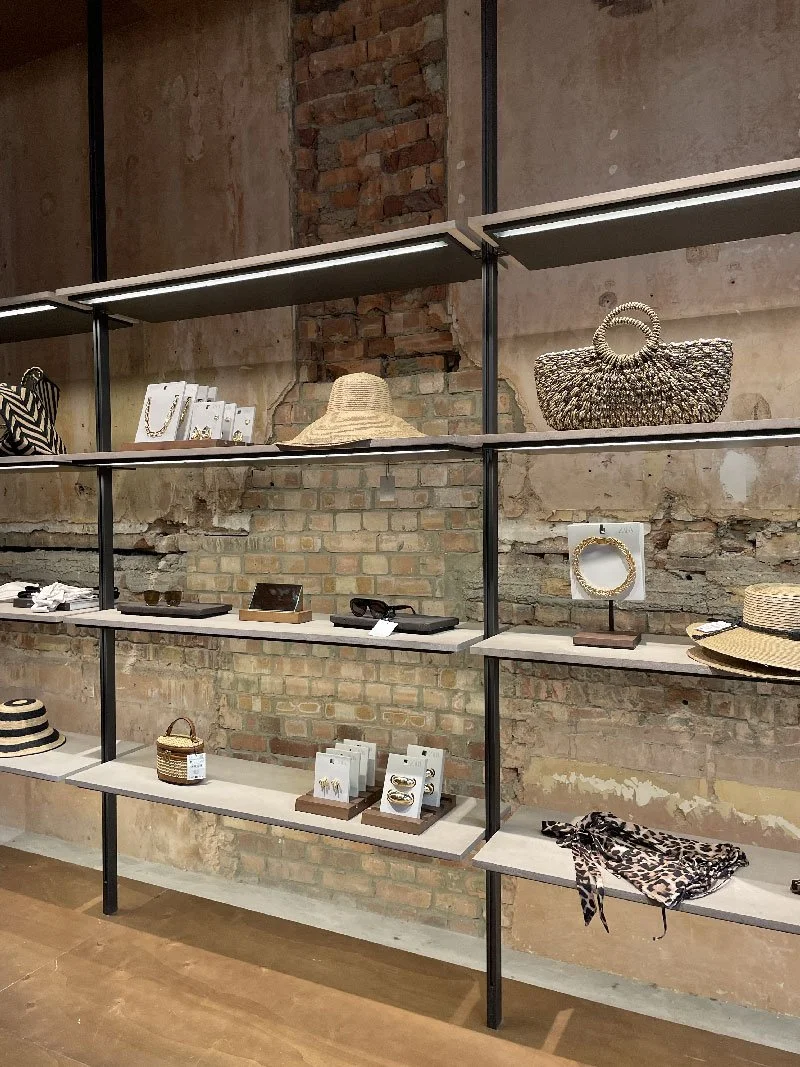
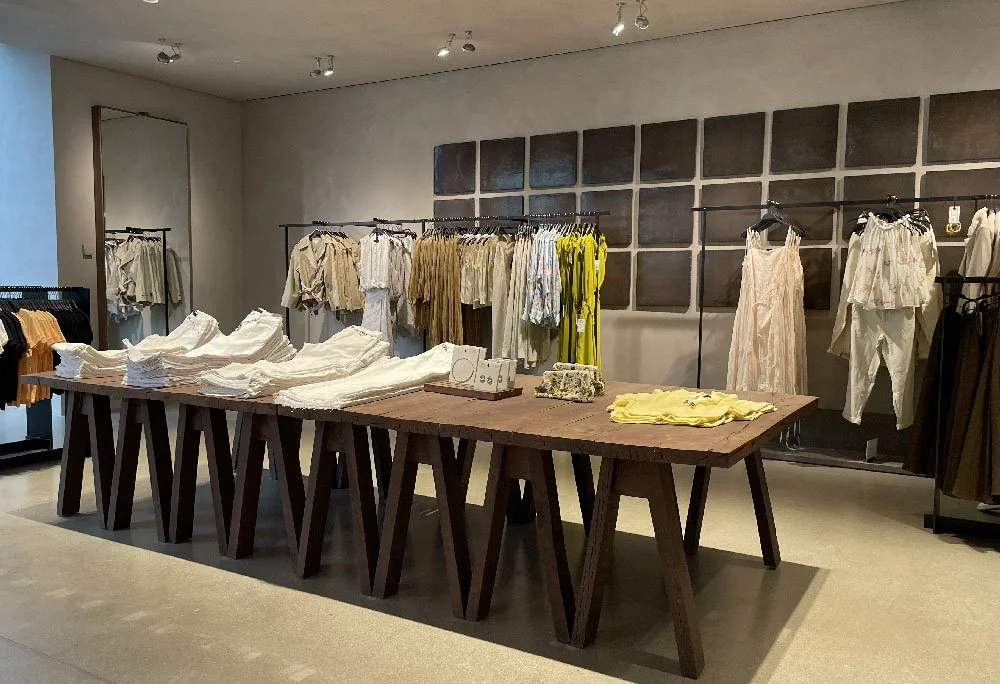
Zara New Bond Street
A new generation of brands are redefining the high street
The high street is often framed as a story of decline, yet a closer look reveals something more nuanced. While a number of established retailers continue to struggle, a new generation of brands are investing confidently in physical space.
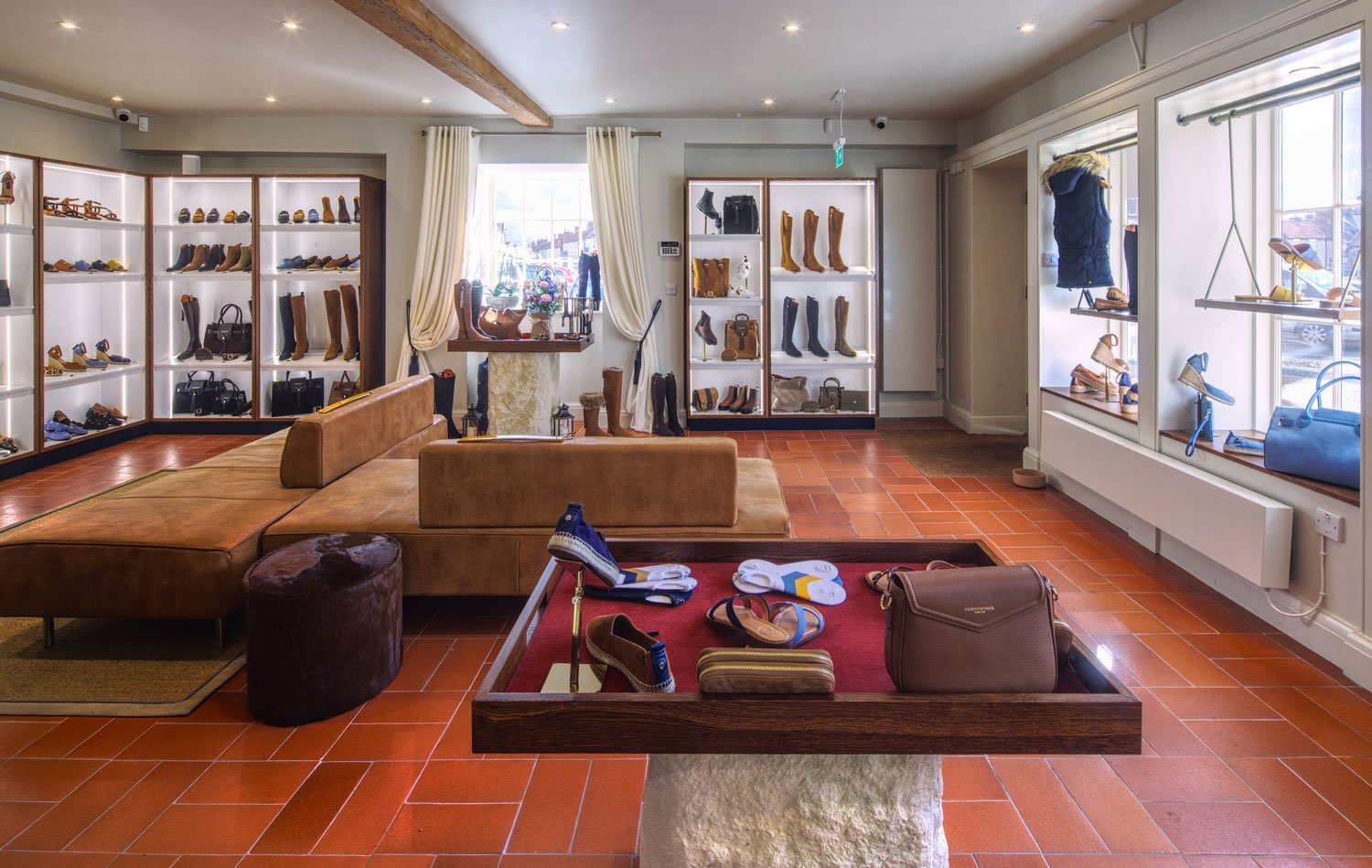
Brands such as Fairfax & Favor and ME+EM built strong online businesses before expanding into bricks and mortar. Rather than treating stores as purely transactional spaces, they have used them to deepen customer relationships, build community and bring their brand worlds to life.

Fairfax and Favor stores
At the same time, legacy retailers that have failed to evolve their offer are finding it increasingly difficult to remain relevant. Product alone is rarely enough. Consumers are seeking experiences, environments and brands that give them a reason to engage beyond the purchase.
This isn't simply a changing of the guard. It's evidence of a changing role for retail itself.
The most successful brands create worlds, not stores
The latest VML report suggests that physical environments are becoming "a form of world-building where every detail contributes to a narrative ecosystem."
This is particularly relevant for brands with strong lifestyles, communities and points of view.
When we developed the retail concept for Fairfax & Favor, the objective was never simply to create a place to display boots and accessories. As a digitally successful brand with a highly engaged customer community, the opportunity was to bring the Fairfax & Favor world to life in physical form. The stores were designed to encourage customers to linger, socialise and immerse themselves in the brand's modern country lifestyle. Hospitality, storytelling and local touches became as important as product display.
The result is a network of spaces that deepen emotional connection with the brand, transforming customers into members of a community rather than simply purchasers of a product.

Fairfax and Favor has built a highly engaged customer community
Why wellness is leading the way
Perhaps no sector demonstrates this shift more clearly than wellness.
We are entering what Joseph Pine calls the “Transformation Economy”, a world in which consumers seek experiences that leave them feeling changed rather than simply entertained.
Mayrlife Medical Health Resort in Austria, winner of Condé Nast Traveller Germany's 2025 Transformative Path award is a perfect example. Visitors do not travel there to purchase a service; they travel to pursue a personal outcome. Every touchpoint, from the physical environment to the programming and service model, is designed around transformation rather than transaction.
Retail brands are increasingly learning from this approach. Customers are not simply looking for products. They are looking for experiences that align with who they are and who they aspire to become.
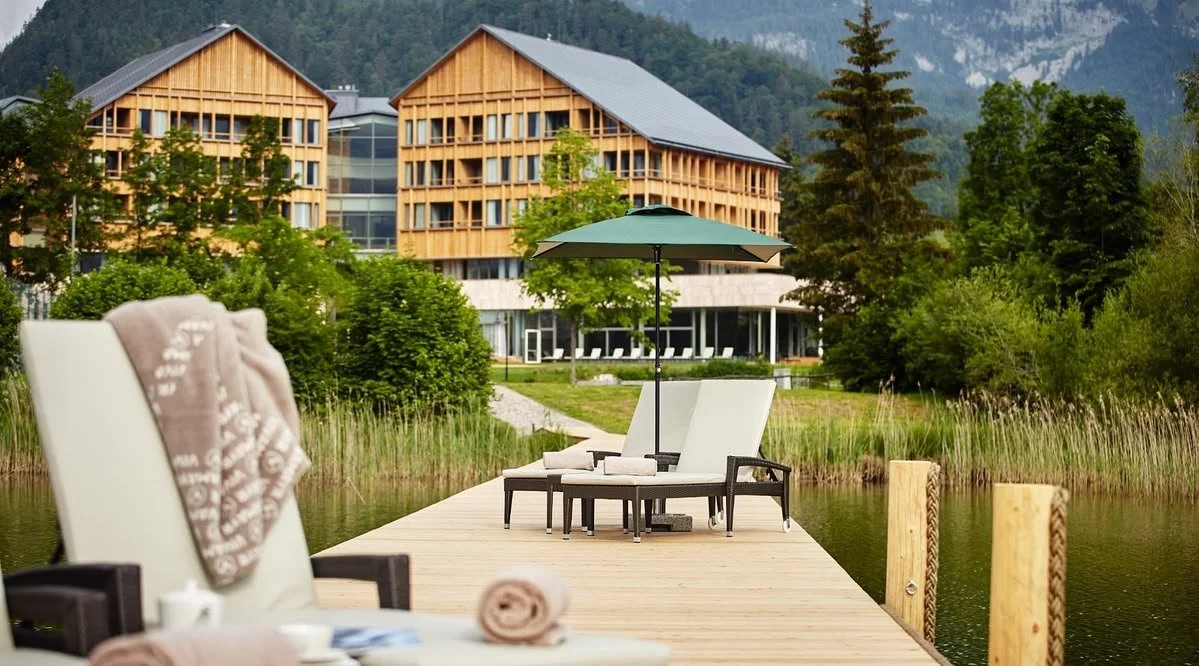
Mayrlife Medical Health Resort
Why brands are investing in experiences worth travelling for
Across luxury retail, brands are creating environments that feel closer to cultural destinations than traditional stores.
New Bond Street has become a showcase for this trend. Recent investments from brands including Zara and Miu Miu demonstrate a growing commitment to physical experiences that celebrate craftsmanship and culture. Miu Miu's redesigned flagship was conceived around "cultural exchange, conversation and the gathering of a thoughtful community", while Louis Vuitton has transformed a historic London townhouse into a destination that feels as much more like a cultural institution than a retail environment by integrating hospitality and brand story telling.
These brands understand that physical environments can create emotional resonance in ways digital channels cannot.
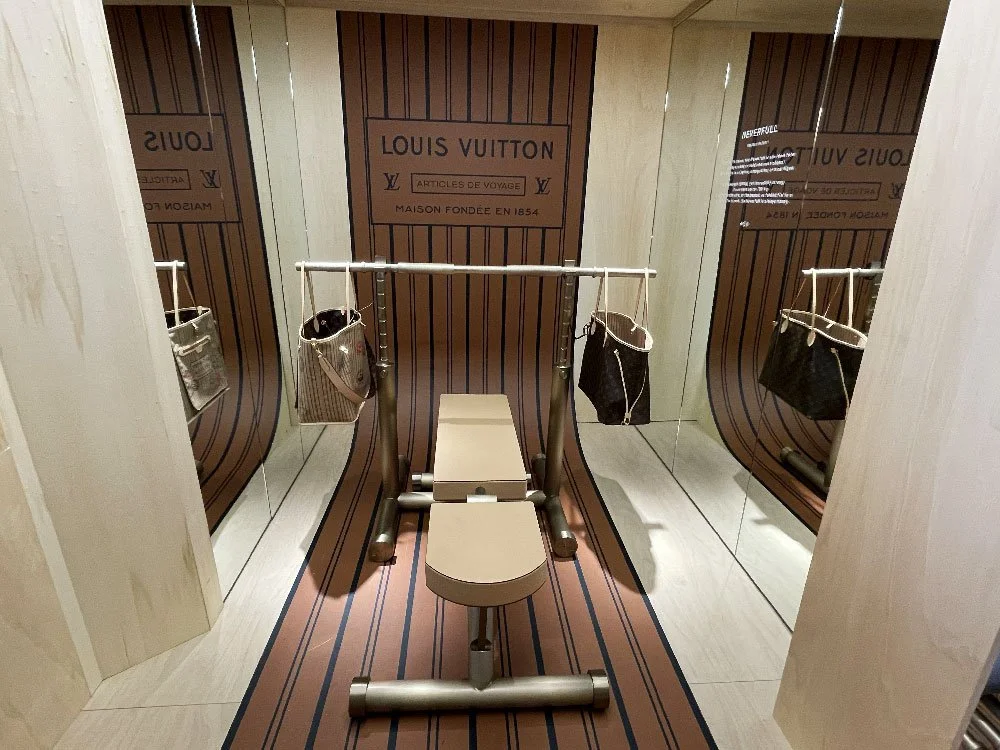
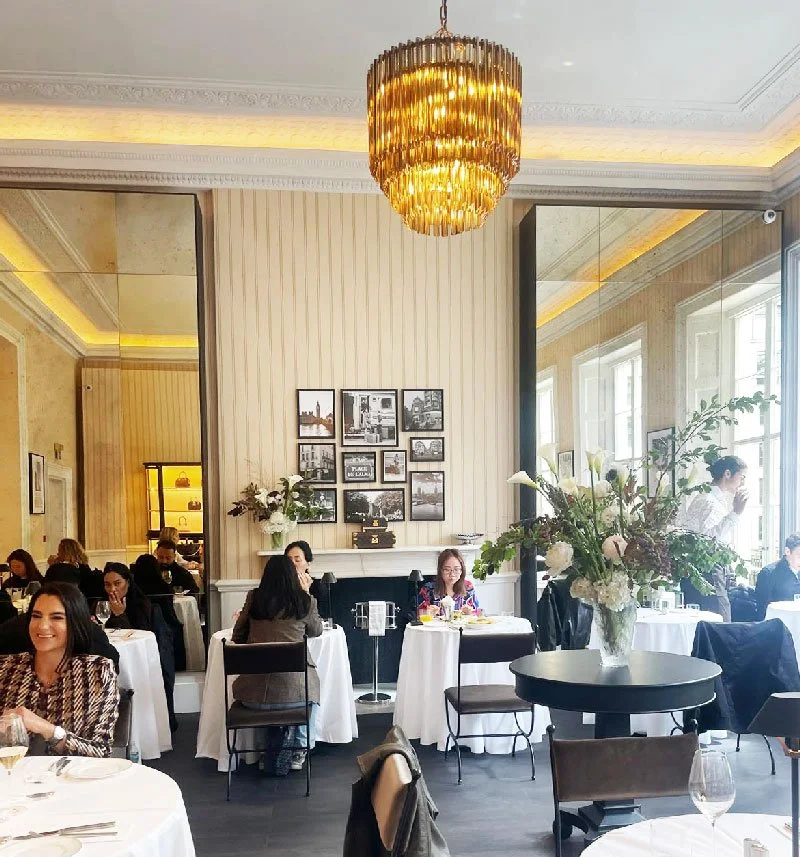
Louis Vuitton Hotel pop up London
The goal is not to only move product, but to move people
As digital experiences become increasingly efficient, the role of physical space becomes increasingly human.
The most successful stores of the future will not compete on convenience. They will compete on emotion and meaning.
They will create environments people choose to visit, not because they need something, but because they want to experience something.
Near futurist and innovation architect Neil Redding asserts that it’s outcomes that matter now: “The boundary between what’s ‘real’ and what’s ‘generated’ becomes less meaningful than the experience itself. We’re entering an era in which the question of ‘what’s real’ will likely fade into the background, replaced by a focus on the experience and outcomes that result from the storyworlds manifested by our intention and action.”
Whether digital or physical, what matters is how people feel.
For physical retail, that may be its greatest opportunity yet.
What does this mean for brands?
As the role of physical retail continues to evolve, brands face a new challenge. It’s no longer enough to create stores that simply display products or facilitate transactions. The most successful environments will be those that create emotional connections, communicate a clear point of view and give customers a compelling reason to visit.
The question is no longer how you sell your products. It’s why people would leave their sofa to experience your brand.
At Caulder Moore, we help brands translate their values into meaningful physical experiences. From retail and hospitality to wellness and leisure, we create environments that bring brands to life.
If you’re considering the future role of physical space for your brand, we’d love to start the conversation.