
INSIGHT
Beyond the wellness aesthetic
Trust is the new differentiator
With wellness gaining ever more prominence in every day media, many brands in health and wellness are struggling to make their voice heard.
For customers, the complexity, and noise is equally baffling and complex. With so much choice, consumers are finding it more difficult than ever to navigate to the right brands, those that they can trust, and believe in.
This is primarily the reason for the huge success of Healf, now a £100m business. Founded by 2 brothers, Lestat McCree and Max Clarke in 2020, as an online marketplace selling only hand-picked health products, vetted by experts, curated around the 4 pillars of eat, move, mind and sleep.
We created the Healf identity, collaborating closely with Max and Lestat. As with all clients where we are shaping their strategic framework and identity, we talked with their customers and brand fans in the initial stages of brand immersion. One theme consistently emerged. The theme of trust. It was evident that Healf’s success derived from the faith that customers placed in the brand’s core belief in curated only the best available from around the world.
This fuelled a positive, virtuous cycle where being accepted by the Healf team became a badge of trust for partner brands.
For brands seeking to create stand out and build a community of a loyal fan base, trust is key.
This deeper desire for credibility and emotional connection reflects a wider shift within the market and weaving a vague wellness angle into a brand story is not considered innovative. Consumers need authenticity and are therefore looking for brands with substance, expertise and a clearly articulated point of view.


Caulder Moore logo and brand design for Healf
Founder stories and the rise of personalised wellness
We are currently partnering with a luxury, science-based collagen brand to help achieve greater brand presence. Tik Tok is home to 3.2 #collagen posts. In the UK alone, the collagen market is estimated to be worth £485m, and is projected to grow to a staggering £658m by 2031. Following our methodology, conversations with B2C brand loyalists, and B2B partners, trust is once again emerging as the dominant theme.
This is underpinned, as with Healf, where the personal stories of both Max and Lestat were fundamental to building brand trust, customers seeking to navigate to collagen brands they can trust, find reassurance in founder stories, and want to know who and what is behind the brand.
Unlocking these narratives and bringing them front and centre, and at the top of the messaging hierarchy is a powerful driver for accelerating success and achieving maximum impact and cut through.
Customers trust these founder led brands in ways that anonymous, faceless international corporations can only dream about.

Caulder Moore logo and brand design for Healf
This aligns with another growing movement highlighted in the latest Future 100 report around wellness becoming increasingly personalised. Customers are no longer seeking generic wellness propositions, but tailored solutions that feel personal, human and authentic.
A great example is Que Tang Yu Fang, who are personalising wellness drinks using AI-assisted diagnostics to recommend tailored herbal drinks. The concept demonstrates how wellness brands are increasingly blending technology and personalisation to create experiences that feel individually relevant rather than broadly positioned.
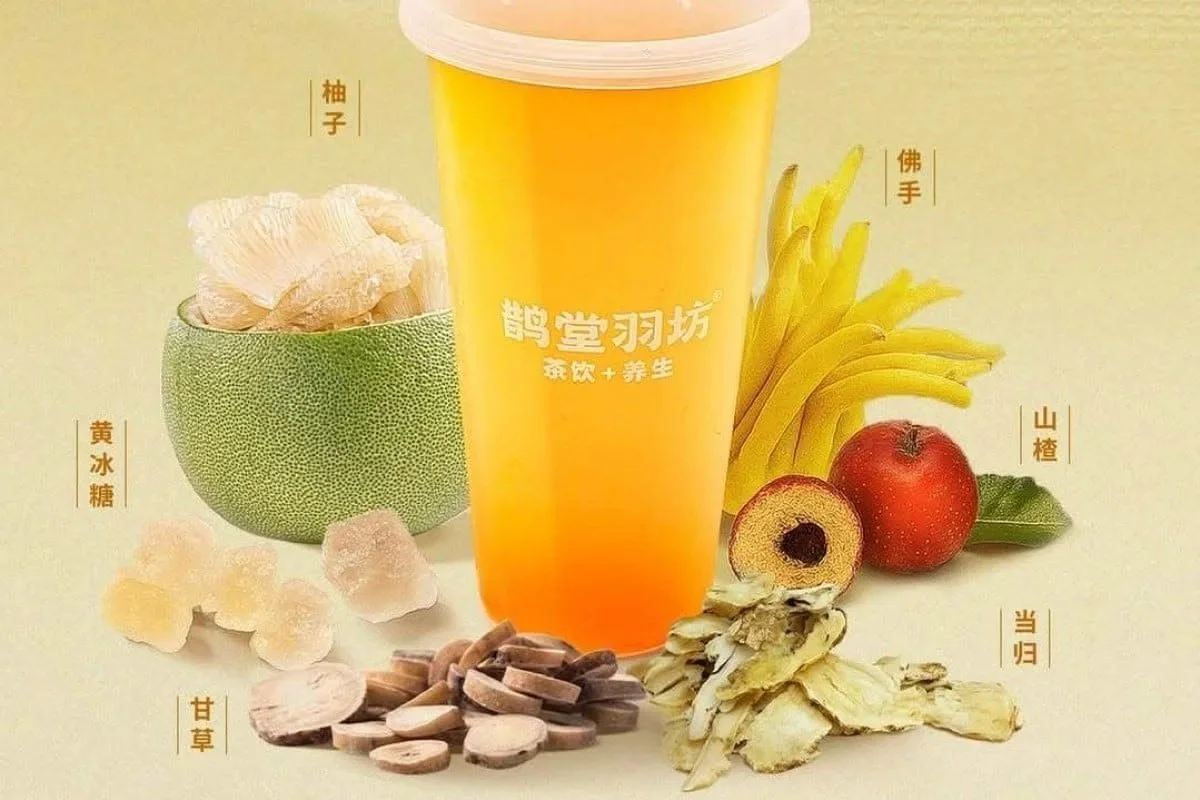
Que Tang Yu Fang personalised wellness drinks
Community as a wellness strategy
Community is a particularly powerful driver for brands in the health and wellbeing space, speaking as it does to a strong connection with lifestyle, and a sense of belonging alongside like-minded individuals.
Growing evidence now underlines that the strength of our relationships and sense of community are vital components of health itself. As Harvard-trained social scientist Kasley Killam notes in the Future 100 report: “The industry around social health innovation is emerging to meet this demand and I expect it to boom in the years to come.”
We collaborated with Sweaty Betty for many years, both crafting their enduring brand icon, and designing stores in the UK and USA. Fuelling the brand community was key to growth. Strategies such as layering localisation elements into the stores, ensured that customers felt a stronger affiliation and connection to stores they felt were ‘theirs’. This need not be a complicated thing to achieve, where the core concept remains constant and recognisable, but where a store in Islington in London and New York may have some subtle urban layering, a Sweaty Betty store in Wimbledon South London aligned with one in Connecticut with a more polished, furnished aesthetic. Flexible floor fixtures allowed small impromptu class sessions in the evenings, again, accelerating the sense of brand community, and enriching the brand connection.
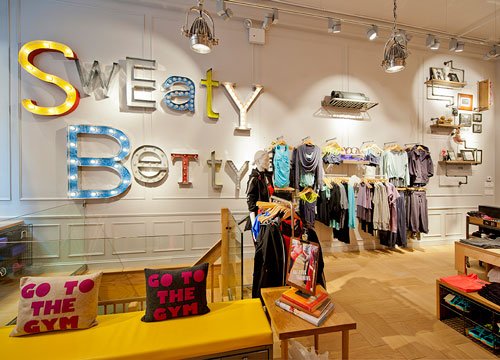
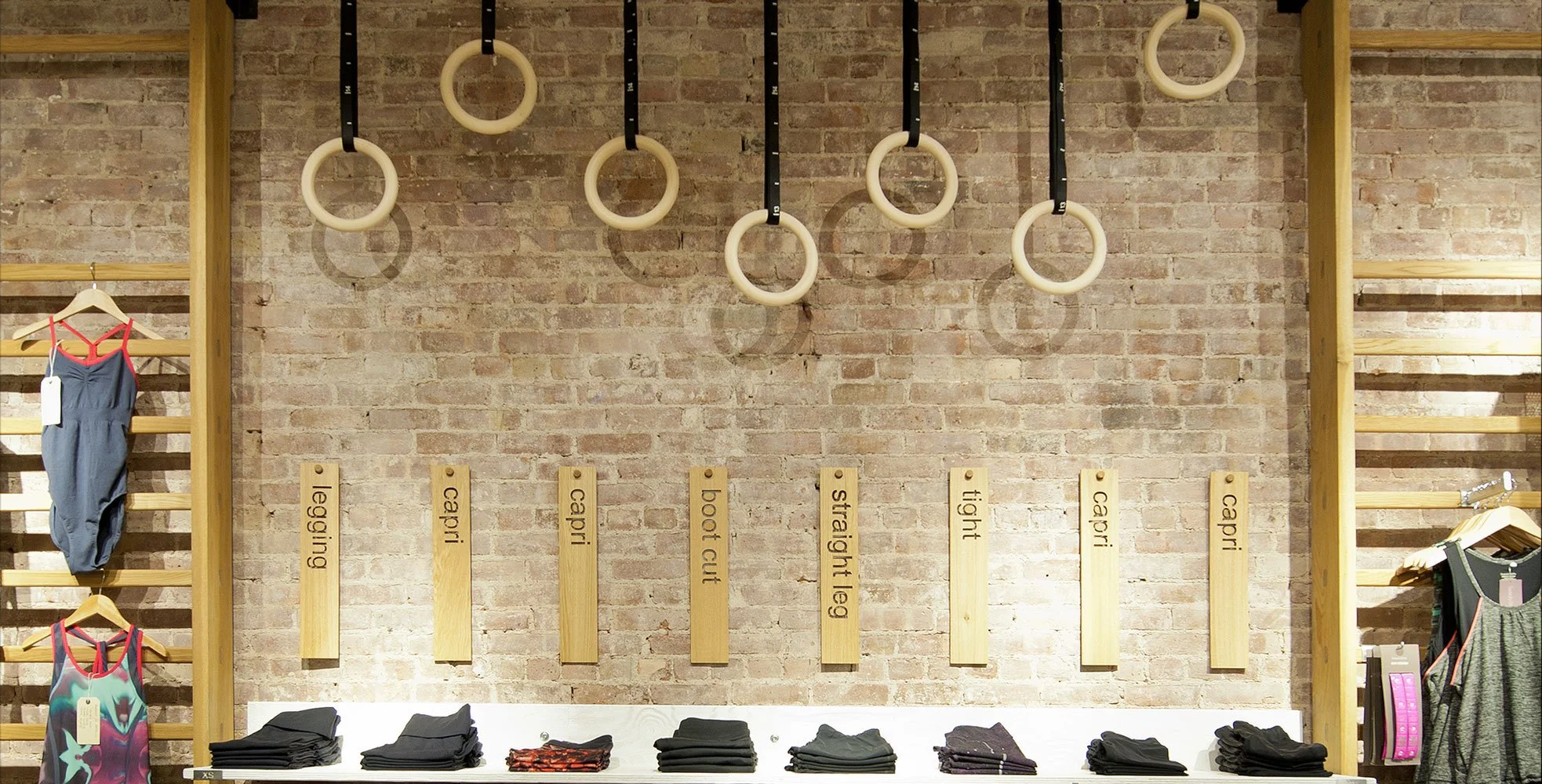
Caulder Moore’s store design for Sweaty Betty
At a time when almost half of Gen Z and millennials say they plan to do more to take care of their mental health, wellness brands are also increasingly focusing on resilience and restoration. During 2025, Maison Estelle’s luxury UK hotel, Estelle Manor in Oxfordshire, partnered with Thai wellness sanctuary Kamalaya Koh Samui to host a four-day “Cultivating Resilience” retreat, combining workshops, treatments and immersive wellness programming designed to strengthen “body, mind and spirit.” The growing appeal of these deeply holistic experiences signals how wellness is evolving from a product category into a lifestyle ecosystem rooted in emotional wellbeing and transformation.
Designing immersive wellness experiences
The Future 100 report also identifies a growing demand for immersive, sensorial wellness experiences, noting that 86% of people globally are drawn to experiences that inspire awe, wonder, or a new perspective. Increasingly, brands are moving beyond transactional retail environments to create emotionally resonant experiences that foster deeper human connection.
With Neom Wellbeing, in their store experience, we ensured that the scent-based diagnostic was front and centre in the store experience, and placed as a ‘third window’ was the first elements that customers experienced in the store journey.
This approach created a vital pause point, a sensorial engagement, where a customer could identify their wellness need from 4 clearly identified options, and then navigated the Neom Wellbeing according to their specific, personal wellness need.
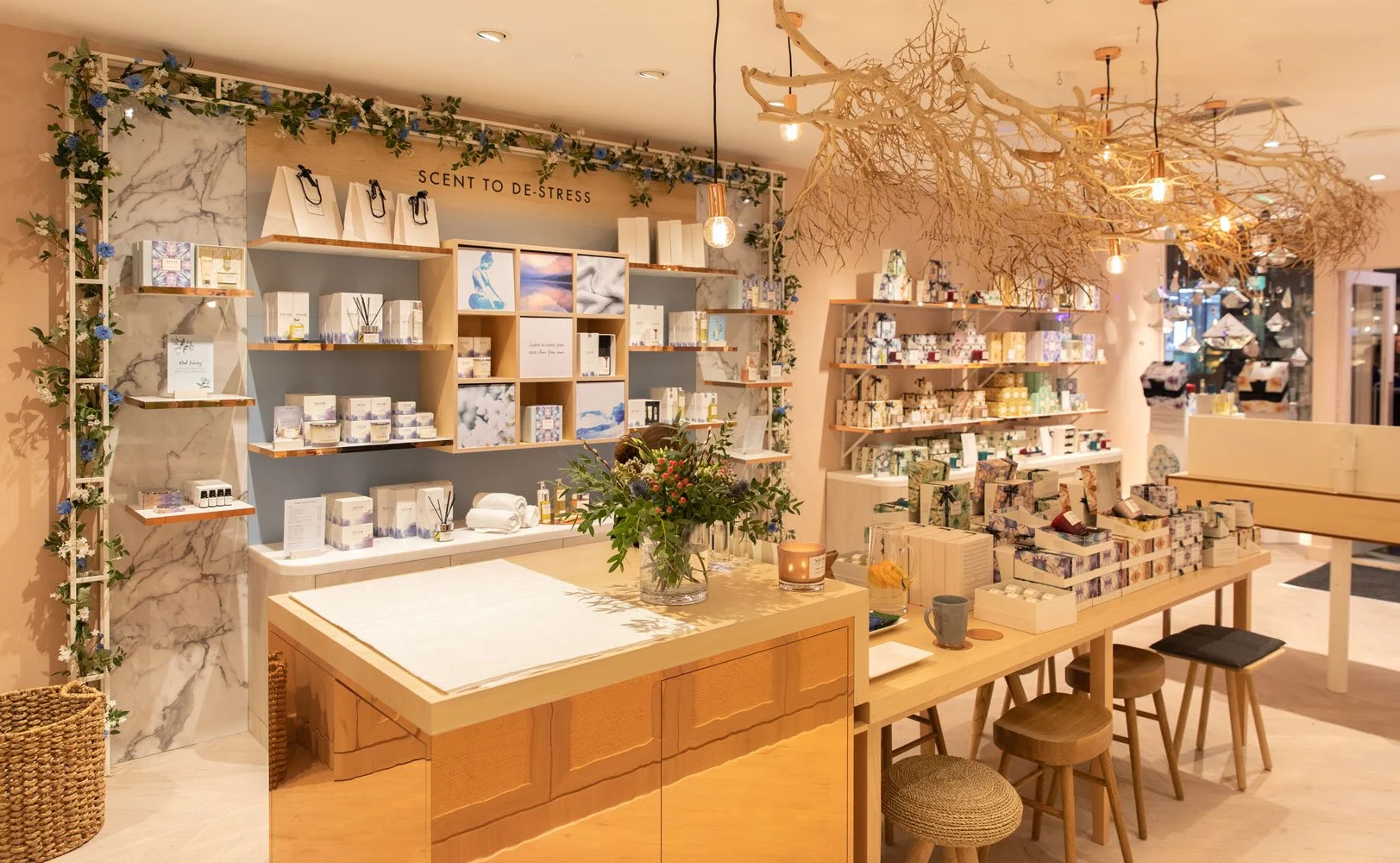


Caulder Moore store design for Neom Organics store in Guildford
This growing emphasis on immersive emotional environments can also be seen outside traditional wellness brands. During the 2025 May Day holidays in Shanghai, Ugg transformed the Tank Art Center into an open-air “Solar Human Charging Station”, blending relaxation zones, motion-activated solar panels and sensory installations into a wellness-meets-retail experience. Similarly during Milan Design Week, Italian designer Antonio Marras created a dream-like “ephemeral house” filled with handcrafted objects and living tableaux, demonstrating how brands are increasingly using immersive storytelling and emotional atmospheres to deepen human connection.
It seems clear that reducing complexity, and simplifying the customer journey, offline or online to allow customers to quickly identify what solution is right for their personal needs is paramount.
This reflects a broader evolution within wellness culture itself. As the Future 100 report observes, “health is wealth.” Wellness is no longer simply about products or aesthetics, but increasingly tied to identity, longevity, resilience and quality of life.
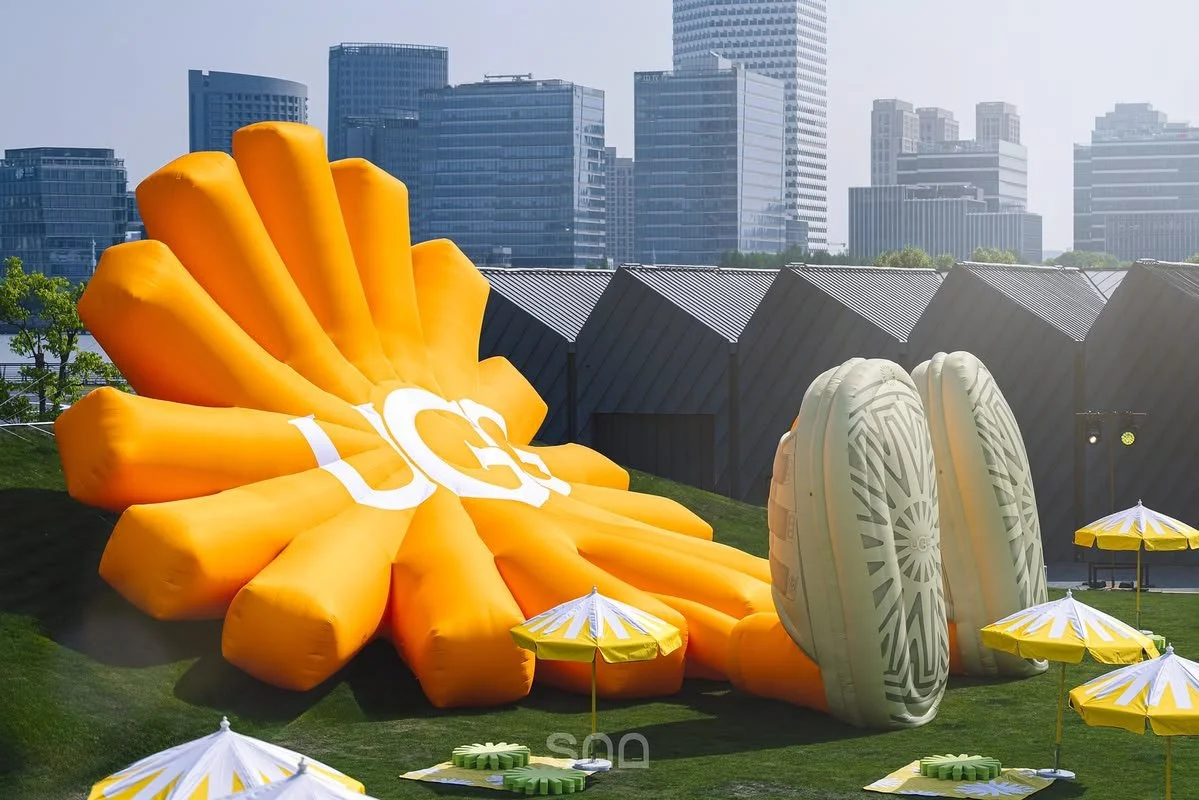
Ugg pop up at the Tank Art Center copyright Ugg
The future of wellness is human
Achieving this in a seamless way, and possessing a distinctive, and well-articulated point of view, is vital to building the all-important differentiator for successful brands in the wellness space, building trust, and reinforcing this circle of trust through building powerful advocacy, and sense of belonging in the brand community.
As Dr B Joseph Pine II notes in the Future 100 report: “The future of feeling better may be less about fixing what’s wrong and more about immersing ourselves in experiences that remind us of what it means to be human.”